












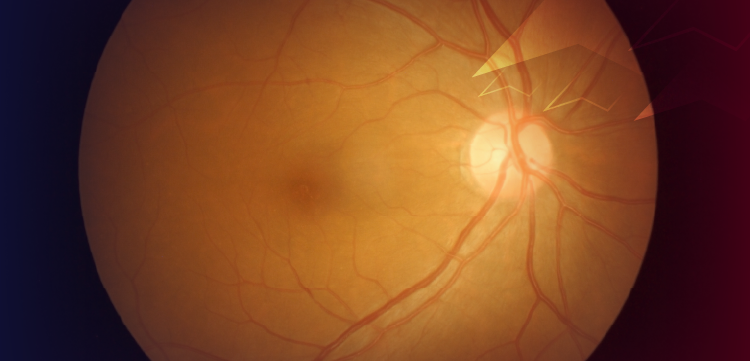






Results may represent a retinal degenerative change.
Results may represent a retinal degenerative change.

The impact of the COVID-19 pandemic on the management of patients with retinal disorders and considerations for how new practices may be adopted into future practice.
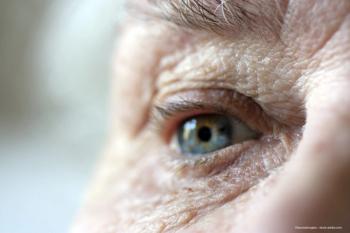
Fluorescence lifetime imaging ophthalmoscopy may be useful to monitor the progression of AMD as well as the effectiveness of treatment approaches.
Dr Mariya Moosajee comments on the next generation of gene therapy for inherited retinal disease and highlights various systems under investigation.

Programming includes 16 EURETINA sessions; 22 symposia; 44 instructional courses; 85 hours of content, and more than 300 speakers.
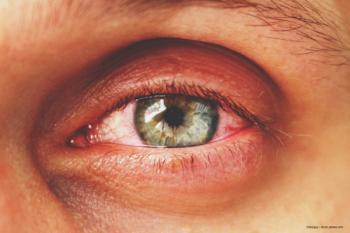
Long-term treatment helps chronic, vision-threatening disease.

Considerations for treating retinal disorders with sustained-release drug delivery implants in an effort to address current treatment challenges in the field.

Ophthalmologists face challenges of drug delivery for retinal diseases.

In response to a previously published article, three ophthalmologists present their views on intravitreal pharmacotherapy injections.

An overview of delivery systems under investigation for retinal disorders and implications for future use.
A discussion highlighting new agents under investigation for retinal disorders and implications for future use based on data revealed in more recent clinical trials.

With at least 24 inherited retinal disease (IRD) clinical trials ongoing in the United States, and additional studies of stem cell therapy in several IRD indications, hope is on the horizon for many patients.
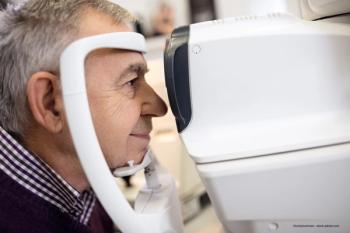
Study of subjects with rare inherited form of AD shows increased retinal capillary perfusion during the presymptomatic stage.

The U.S. FDA granted orphan drug designation to ADX-2191, methotrexate for intravitreal injection, as treatment for retinitis pigmentosa.
Ophthalmologists highlight recent treatment advances in diabetic macular edema and wet age-related macular degeneration.

If approved, Genentech’s treatment of faricimab will be the first and only medicine targeting two distinct pathways, Ang-2 and VEGF-A, that often cause retinal diseases that may cause vision loss.
Types of delivery methods currently being explored to improve treatment for patients with retinal disorders.

Why investigators are recognising AMD as a disease spectrum rather than a single entity.

The proportion of eyes that developed PDR or centre-involving DMO was lower with periodic aflibercept treatments compared with sham treatment through the 2-year point.

Following a discussion regarding drug delivery challenges in retinal disease, a panel of global experts suggest what types of technological requirements and improvements they would like to see occur in the field.

Challenges associated with delivering therapies currently available to treat retinal disorders and methods being explored to improve drug delivery to patients.
Drawbacks and challenges associated with the administration of anti-VEGF injections currently available to treat retinal diseases.
Dr Mariya Moosajee highlights therapies approved as well as under study to improve treatment for patients with inherited retinal disease.
A discussion regarding the roles of various treatments available for diabetic macular edema and considerations for selecting and sequencing therapy.
An overview of the current treatment landscape for age-related macular degeneration and factors that impact treatment selection.