
Practice makes perfect when adopting this method for intrascleral IOL fixation.
Practice makes perfect when adopting this method for intrascleral IOL fixation.
An investigator at Anglia Ruskin University is leading work on an anti-cataract drug, which has had positive results in lab tests.
BRIM Biotechnology Inc. has entered into a new strategic partnership with Ora Inc. for the late-stage clinical development of lead drug candidate BRM421 for dry eye syndrome (DES).
Polarisation-sensitive optical coherence tomography has facilitated early diagnosis of disease before it becomes apparent on topography.

Promising gene therapies in development are pinpointing steps in the pathogenic cascades involved in ocular diseases, such as VEGF for wet AMD and CFI for dry AMD.
An ischaemia modulator has demonstrated it is safe and well tolerated in a Phase 1/2a trial in diabetic macular ischaemia patients.
Patients are at risk for developing severe dry eye and ocular surface disease.
With minimally invasive surgery procedures becoming increasingly popular in glaucoma management, canaloplasty using an ab-interno surgical technique offers enhanced natural aqueous outflow in open-angle glaucoma.

Dr Goes reflects on a life at the forefront of ophthalmology, considering advancements in technology and the knowledge that has changed his practice and improved outcomes for patients.
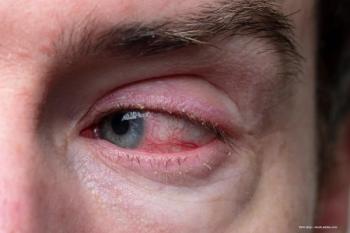
TP-03 met the primary and all secondary endpoints, effectively resolved Demodex blepharitis and was well-tolerated with no serious treatment-related adverse events. 56% of patients on TP-03 achieved the primary endpoint of complete collarette cure.
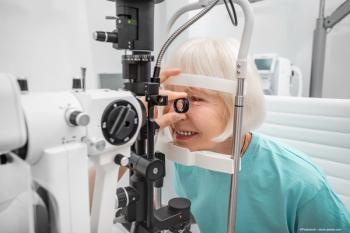
In research sponsored by Skye Bioscience Inc., investigators at the University of Mississippi have demonstrated stronger and longer-lasting reduction of intraocular pressure when a proprietary molecule, SBI-100, is formulated as a nanoemulsion containing the mucoadhesive agent Carbopol 940.

Dr Eva Chamorro points out that myopia control spectacle lenses affect the diurnal rhythms in the AL in young adult human and produced a small short-term increase in the AL that varies in intensity and time interval for each of the 3 studied lenses.
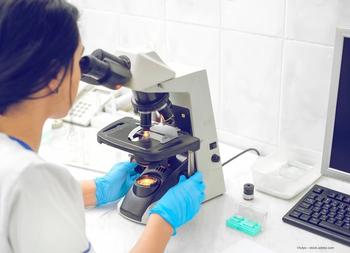
Investigators from the Karolinska Institutet and St. Erik Eye Hospital, Stockholm, Sweden, reported that they have developed a prognostic test, referred to as serUM, that they believe is a strong predictor of metastasis of uveal melanoma.
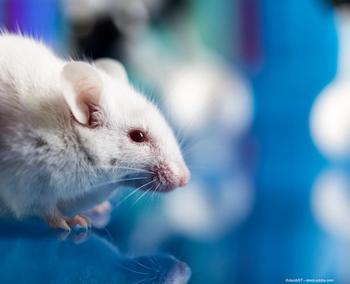
THR-687 is currently being evaluated in a phase 2 clinical trial in patients with DME. The first data from the dose-optimization study is expected to be released in the first half of 2022.

The study found no association between treatment and the risk of chronic kidney disease or end-stage renal disease.
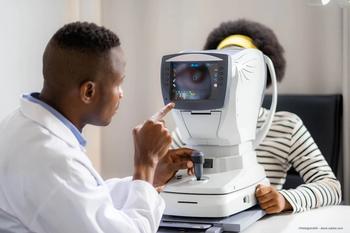
In a poster presented at the Association for Research in Vision and Ophthalmology’s 2022 annual meeting, Dr Osama Ibrahim Hirayama and colleagues offered results that demonstrating that anisometropia and astigmatic error were greater among the patients with high myopia compared with the other groups. Compared with the subjects with no myopia, those with high myopia reported significantly more dryness, less photophobia, and less pain.
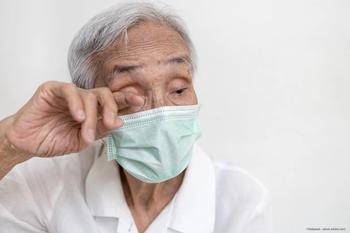
During a presentation at the Association for Research in Vision and Ophthalmology’s 2022 annual meeting, Dr Yuichi Hori and colleagues found that taping the top border of a surgical mask to a clinicians’ skin reduces the potential for ocular surface damage resulting from expirations of air reaching the ocular surface during the COVID-19 pandemic.
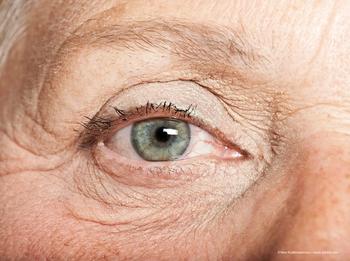
The axitinib intravitreal implant (OTX-TKI) is being evaluated to treat wet age-related macular degeneration in a phase 1b clinical trial.
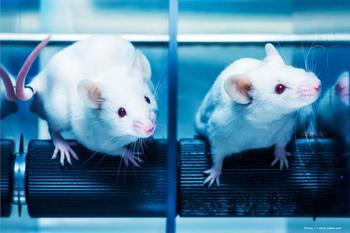
Investigators from the New York University Grossman School of Medicine presented data at the ARVO 2022 annual meeting that concluded mapping of the relative cerebrovascular reactivity in the murine brain showed widespread brain changes resulting from the chronic IOP elevation and demonstrates vascular involvement in glaucoma both within and beyond the primary visual pathways.
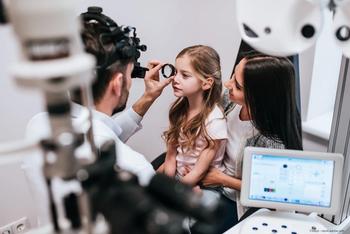
In a poster presented at the Association for Research in Vision and Ophthalmology’s 2022 annual meeting in Denver, Dr Mamoru Ogawa noted that investigators have found that the choroidal and central corneal thicknesses increased over a very short period of time following intensive outdoor activity.
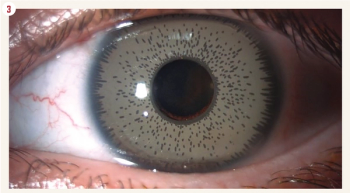
Authors of a retrospective study into complications associated with iris implants advise that the procedure should be considered as malpractice.

In one study of children with solitary unilateral retinoblastoma, the youngest children were found to have the greatest risk for a germline mutation.
Researchers at the University of Southern California have stimulated the retinas of blind mice using focused ultrasound technology.
It is particularly important to identify any signs of meibomian gland disease in patients to prevent gland atrophy and loss of function.
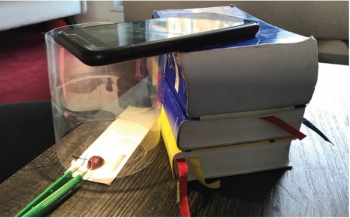
The pandemic has impacted ophthalmic surgical training. Exercises have been developed to provide key skills that can be practised simply at home and require no special equipment.

In patients with amblyopia, minuscule fixation eye movements play a major role with treatment, according to Dr Fatema Ghasia.
Light-based biometry is especially effective for providing accurate measurements inside the eye and evaluation of the ocular surface.