

Inflammation is par for the course in ocular gene therapy; preventing it should be the goal because once it develops, treatment can be difficult.
Inflammation is par for the course in ocular gene therapy; preventing it should be the goal because once it develops, treatment can be difficult.
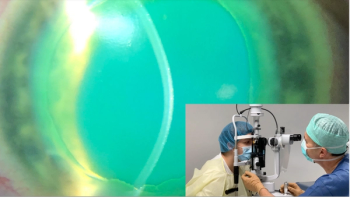
Corneal cross-linking (CXL) is improving all the time, although all protocols retain the basic requirements for oxygen, riboflavin and UV light. Recent developments mean that CXL at the slit lamp is feasible, which will improve access to the procedure.

Use of a highly viscous cohesive ophthalmic viscosurgical device (OVD) enables removal of debris without excessive collateral irrigation trauma.
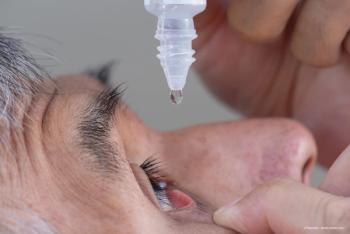
Studies reveal the advantages of numerous new glaucoma treatments that offer a wider range of options for individual patients.
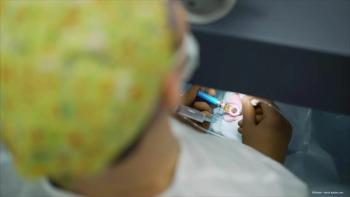
Combining ECP with vitrectomy can reduce medication use following the procedure and in some cases avoid the need for further surgery.
An end-of-week review of what happened in ophthalmology from 29 October to 3 November 2022.
One clinician advises investigating prospective patients for history and evidence suggesting HSV keratitis, and monitoring for post-surgery epithelial defects.

A global survey of retinal experts assessed their perceptions of evolving clinical practice in the Covid-19 era, focusing on digital teleophthalmology, home monitoring and decentralised patient care.


A small study demonstrates that high-resolution imaging with adaptive optics may be a useful method of assessing integrity of the cone mosaic following macular hole repair.
Gentle eye drops, laser or minimally invasive surgery, advising patients on safe viewing of electronic devices, and addressing eyelid disorders can all help to minimise adverse effects.
Investigators evaluated VA outcomes after cataract surgery and the factors associated with good visual outcomes in a population of patients with type 2 diabetes.

Clinicians need to investigate patients’ history, family history, visual behaviours and general health in order to promptly and accurately refer paediatric cases to ocular genetics clinics.
The COVID-19 pandemic has led to greater comfort with robotic telepresence in eye screenings.
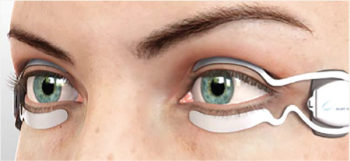
Methods using a combination of non-invasive thermal treatments and meibomian gland expression seem to be particularly effective.
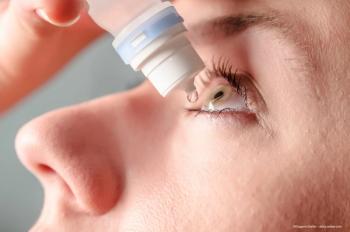
Investigators report that a gel-forming sustained-delivery eye drop containing sunitinib can provide increased intraocular absorption of the drug while protecting retinal cells.
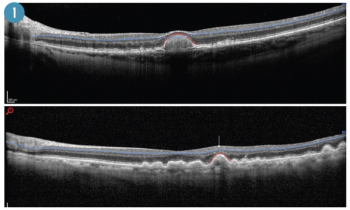
Study images showed that large drusen compressed the inner macula and distorted the tissue architecture, and geographic atrophy resulted in posterior prolapse of the inner retinal layers.

Patients appreciate the convenience and aesthetic improvements of light-based dry eye treatment, and it can also be applied elsewhere on the face.
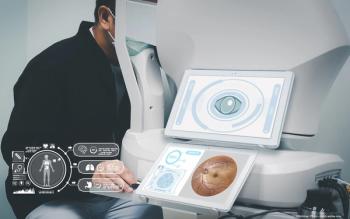
AI and teleophthalmology both show very high level of agreement with in-person evaluations, although further studies are needed to reduce the number of ungradable images.

Central tenotomy and central plication are just two options that can correct very small deviations previously not amenable to surgical treatment.

The goal of World Sight Day, according to IAPB, is “to shine a light on blindness and vision impairment as a major, but solvable, public health issue."

Coordinated by the International Agency for the Prevention of Blindness (IAPB), the international day of awareness is a reminder to "love your eyes."
Non-diffractive lenses offer alternative in challenging post-corneal refractive surgery cases.

Innovations in the design of rigid corneal lenses and scleral lenses have delayed the use of or eliminated the need for keratoplasty.

Investigators advise an ophthalmologic evaluation at the time of tumour diagnosis to detect early vision loss.

New visually-guided hearing aid uses eye gaze to focus amplification of sound signals from the direction of the user’s attention.

A combination of posters, podium presentations and instructional courses provided invaluable revelations to the ophthalmic community.

Companies are exploring light-sensitive proteins method in patients with advanced disease.
The data analysis showed that the macular thickness decreased across all time periods and in all macular regions for all terciles.
Patients with a unilateral rhegmatogenous retinal detachment frequently ask about the risk of developing an RRD in their fellow eye.