







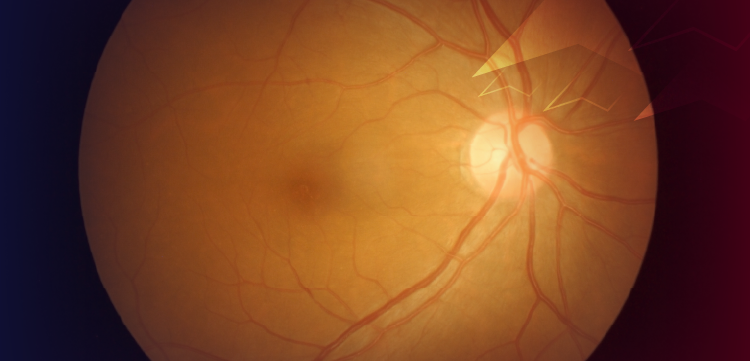







Dr Carel Hoyng divulges the main takeaways from his Angiogenesis presentation, including the origins of Stargardt disease, correct diagnosis, ongoing gene therapy trials and the future of therapy.
Dr Carel Hoyng divulges the main takeaways from his Angiogenesis presentation, including the origins of Stargardt disease, correct diagnosis, ongoing gene therapy trials and the future of therapy.

Computer software platform provides home vision exercises to overcome asthenopia.
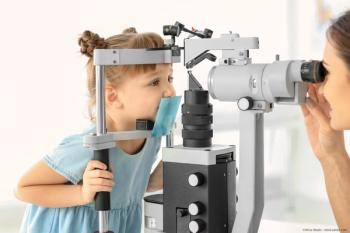
Several recent cases demonstrate how advancements in planning, imaging and surgical approaches can enable positive outcomes in very young patients.
Corneal collagen crosslinking was found to stabilise the cornea, and in some cases improve vision and keratometry values, in children and young adults.

The Children’s Vision Equity Alliance was created to improve access in children’s vision and eye health, working to advance equity in children’s vision and eye health through education, policies and partnerships.
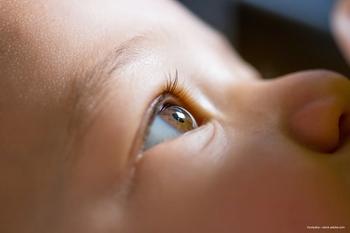
During a presentation at the American Academy of Ophthalmology 2021 annual meeting, Dr Denise Freitas reported that the ocular findings in infants with congenital Zika virus syndrome were similar among the affected infants and occurred frequently. The most prevalent of the findings was optic nerve pallor.
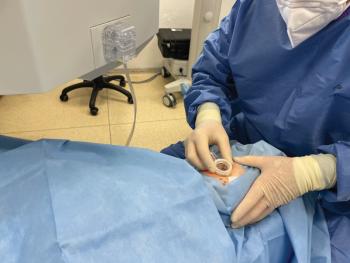
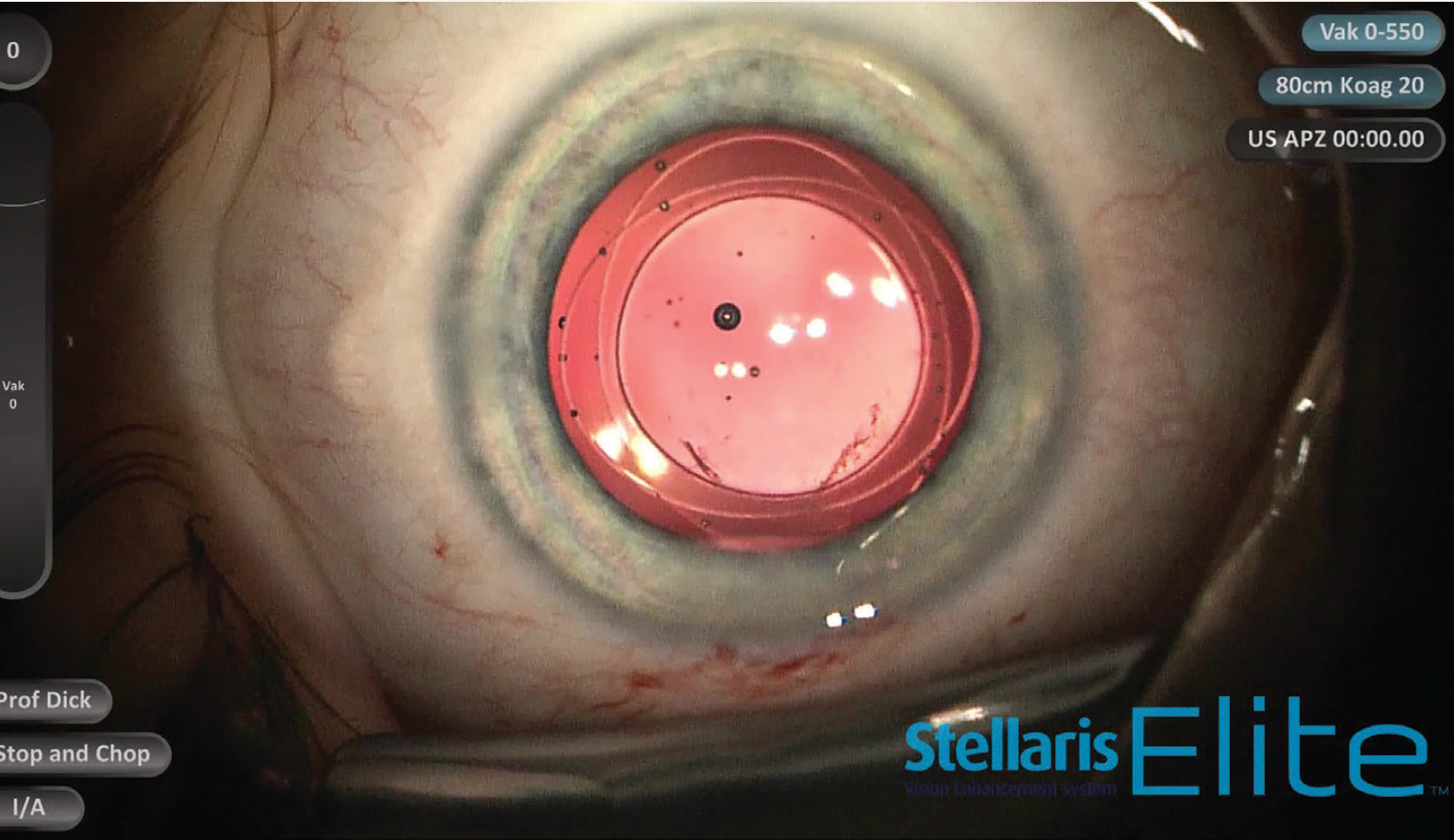
Cataract surgery on very small children presents some unique challenges that can be overcome with the use of a femtosecond laser.

The Luminopia One VR headset is indicated for improved visual acuity in children ages 4-7 with amblyopia, associated with anisometropia or mild strabismus, after receiving treatment instructions from a trained eye care professional.
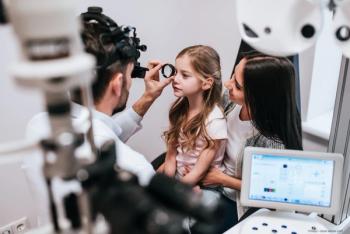
New strategies are considered for obtaining information from visual assessments while ensuring compliance from paediatric patients.
A recent prospective study analysed the relationship between corneo-scleral geometry and the axial length of the eye to develop preliminary prediction models of the axial length of the eye based on clinical data.
Children with certain neurodevelopmental disorders show altered ocular movements and a more reduced amplitude of accommodation, however, vision problems are not always present in these children and so cannot be considered an aetiological factor.

A new study reveals that children of mothers with diabetes during pregnancy have an increased risk of eye problems.

With at least 24 inherited retinal disease (IRD) clinical trials ongoing in the United States, and additional studies of stem cell therapy in several IRD indications, hope is on the horizon for many patients.

Orthokeratology and multifocal contact lenses provide clinically meaningful reductions in progression of myopia, research shows, but some questions, such as the ideal treatment duration, remain unanswered.
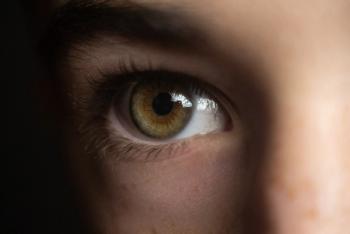
Studies show that corneal crosslinking could be a beneficial treatment in paediatric patients with keratoconus.

Virtual reality dichoptic and perceptual learning training seem to be a useful therapeutic option for achieving a successful visual rehabilitation in amblyopic patients.

A greater understanding of lens embryology and the phenotype/genotype correlation of cataracts should help guide future therapeutic approaches.
Investigators have indicated that combination therapies of outdoor activity, bifocals and low-dose atropine are being studied.
Community support is the most important factor in ascertaining effective treatments for paediatric eye diseases.
Diabetes mellitus, which is a common chronic disease in children, can lead to significant eye morbidities with long-lasting effects, including diabetic retinopathy. Treatment should be tailored to the individual patient.
A new amblyopia screening system that can be used on Android devices has performed better than some of the ‘gold standard’ stereotests in recent Hungarian studies.