

Retina
Latest News
Advertisement
Latest Videos







CME Content
















Advertisement
More News
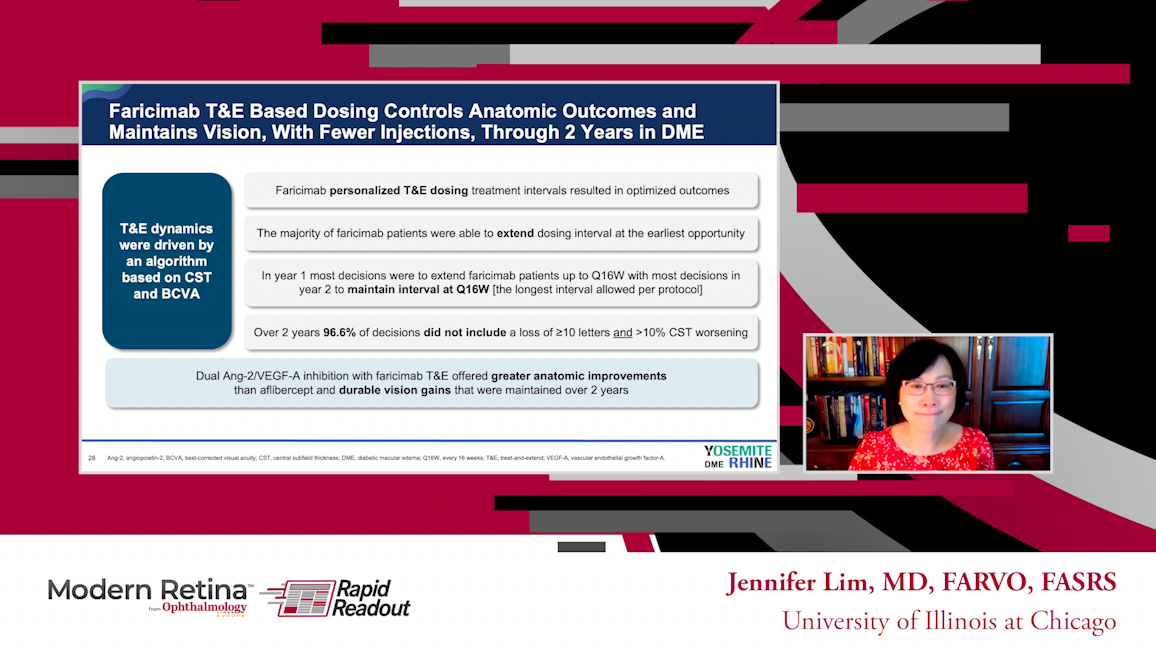
As more countries receive approval for the use of faricimab, patients are going to continue to have good visual outcomes

RGC replacement represents a more formidable challenge.

Geographic atrophy is now a major research target.
Dr Edmund Arthur shares his research on the early detection of diabetic retinopathy in underserved communities at this year's ARVO meeting.
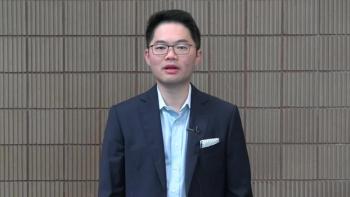
Dr T.Y. Alvin Liu talks about predictive AI and its uses in ophthalmology and screening of the eyes at this year's ARVO meeting.

Dr Caroline Baumal talks about Apellis' presentations focusing on visual function, imaging and artificial intelligence at this year's ARVO meeting.

Former smokers were at higher risk of having to undergo surgery for TED in a recent study, but the risk was lower than that associated with current smoking.

A recent study aimed to set the record straight on the occurrence of retinal vein occlusions (RVOs) following messenger RNA COVID-19 vaccinations.

The programme includes thousands of poster and paper presentations by up-and-coming vision scientists and world leaders in their respective subspecialties.

The host city of New Orleans, Louisiana, US, is replete with old world charm and ambiance and can satisfy any sightseeing, gastronomic and musical appetites.

Findings from a recent study suggest that AO retinal imaging has the potential to become a sensitive marker for MS.

Weighing the pros and cons of anti-VEGF drugs and improved visualisation of abnormalities in ROP

The spherical equivalent was significantly more myopic in the eyes treated with laser in a recent study.

Horus will increase Iluvien’s commercial presence with Nordic retinal specialists.

Novel treatment results in macular hole closure.

The various aspects of home monitoring for patients with age-related macular degeneration are discussed in this point/counterpoint by Prof. Rufino Silva, University of Coimbra / Coimbra Hospital and University Centre, Portugal, and Univ.-Prof. Dr. med. Robert P. Finger, PhD, Department of Ophthalmology, University of Bonn, Germany, during the 14th annual Congress on Controversies in Ophthalmology in Lisbon, Portugal.

Adequate assessment and estimation of residual visual function are important clinically.

Session moderators, speakers and audience members all will examine and analyse the most relevant and controversial issues within the field of ophthalmology.

EMBL-EBI researchers use UK Biobank data to uncover new information about rare diseases of the eye.

A look at what’s in the therapeutic delivery pipeline for these disorders.

Yusuke Oshima, MD, PhD, in a presentation at the 38th Asia-Pacific Academy of Ophthalmology Congress, Kuala Lumpur, Malaysia, discussed the advantages of using a beveled-tip ultra-speed probe for complete vitreous shaving during retinal detachment vitrectomies.

Arun Singh, MD, discusses Retinoblastoma in 2023 and the advancements of tumor chemotherapy from his presentation at the Asia-Pacific Academy of Ophthalmology (APAO) 2023 conference.

Further research is needed before dietary nitrate intake can be recommended as a therapy for age-related macular degeneration, according to the study authors.

Apellis has received FDA approval for intravitreal pegcetacoplan (SYFOVRE) to treat geographic atrophy secondary to AMD. This news follows the submission of the 24-month phase 3 data in November 2022.
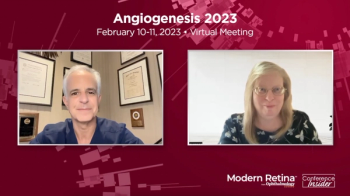
Carl D. Regillo, MD, highlights the Talon Phase 3b results for brolucizumab vs aflibercept in a matched treat-and-extend superiority study for neovascular AMD at the virtual 2023 Angiogenesis conference.
Advertisement
Advertisement