Articles


Stereoscopic photographs are a useful tool in the detection of glaucoma, however, the difficulty in obtaining them has seen them underused in favour of optical coherence tomography (OCT). A new device is attempting to redress this balance, enabling stereo-photography to be used alongside OCT for optimal practice.


The more educated a person is, the more myopic they are likely to become, according to researchers at the University of Bristol, UK.

A new method for predicting the behaviour of multifocal IOLs has been developed. This methodology could be very useful for ophthalmologists, enabling them to know the potential effect of the implantation of an IOL in any type of eye prior to implantation.

As an objective measure of the function of retinal ganglion cells, pattern electroretinography (PERG) testing reveals subclinical optic nerve changes that may be critical for deciding when to start therapy to avoid vision loss from glaucoma progression.


The management of astigmatism can be accomplished during cataract surgery. Employing femtosecond lasers improves the accuracy, safety and predictability of arcuate incisions, as well as the alignment of toric IOL placement.


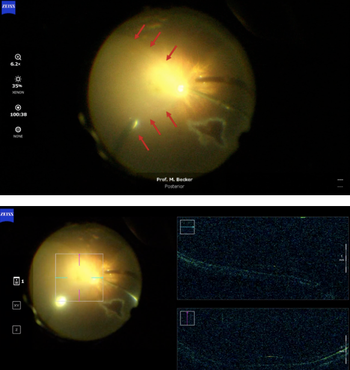
The use of OCT instruments to image the posterior segment has become almost ubiquitous, and now it is convenient for practitioners to image not only the retina, but also the choroid, with a high level of reproducibility and detail.


Professor Gerd U. Auffarth and collegues have found that ophthalmic viscoelastic devices that combine both dispersive and cohesive properties, so that they can be used in sequence and at the appropriate phases of cataract surgery, can result in decreased complications, low adverse events, improved visibility and good space management.

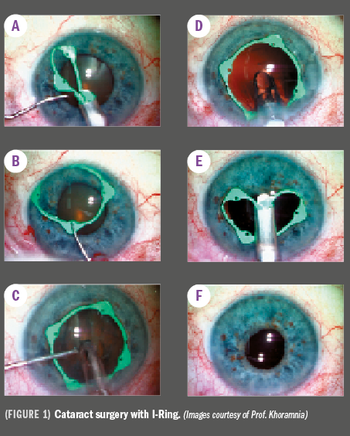
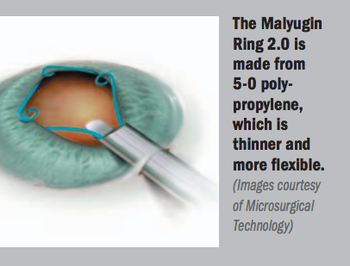
The second-generation Malyugin ring is a versatile pupil expansion ring with high efficacy in femtosecond laser-assisted cataract surgery. Professor Boris Malyugin notes its advantages, having used it on a variety of classically difficult eyes and in complicated surgical cases.

The combined clinical use of pattern electroretinography for the detection of early glaucoma indicators and selective laser trabeculoplasty for intervention may help realise the potential of early detection and treatment.

Usually the reserve of millennials, one surgeon finds that Instagram can help make connections in clinical settings.

In the early days of my career as a private practitioner in the field if ophthalmology, armed with just a slit lamp and a trial frame, the challenge was only the appropriate care of the patient.

Multifocal IOLs (mIOLs) can provide excellent uncorrected visual acuity at all distances. However, photic phenomena such as glare and halos are inherent to the design of these lenses and make preoperative patient councelling, careful case selection, and individualised weighing of benefits and side-effects important.

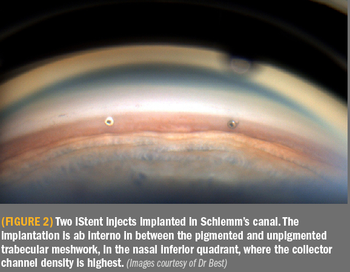
Created for surgeons, by surgeons – a new method of approaching gel stent implantation provides better outcomes for patients.

Ongoing case series is revealing small-incision lenticule extraction to be better than surface ablation (SA) for all myopic laser corrections. However, SA still is useful in patients with thin corneas and therapeutic indications, according to Prof. Suphi Taneri.

Diabetes doubles the risk of cataract in the general population, with an even greater increased risk among people aged under 70, according to researchers.

Hyper-reflective subretinal infiltrates visible on spectral domain optical coherence tomography (SD-OCT) could help diagnose primary vitreoretinal lymphoma (PVRL), researchers believe.

The Malyugin ring is a safe alternative to traditional pupil-expansion approaches in cataract surgery. Here, best practice for safe surgery and a case study are described

British installation artist, Luke Jerram, and researchers at Bristol Vision Institute, are creating something that will raise awareness about the nature of cerebral visual impairment in an artist’s residency at the University of Bristol in the United Kingdom.

Ocular allergy affects the quality of life of millions of people every year. Understanding the different mechanisms involved will increase their future therapeutic options.

Ocular surface disease (OSD) and dry eye disease (DED) are very common problems in the elderly, and they both considerably decrease vision-related quality of life.