

Thurein Htoo, MS, MBA, CEO and co-founder of Qlaris Bio, took the podium at the New Horizons Forum at the Glaucoma 360 conference in San Francisco to discuss the performance of the company’s episcleral venous pressure eyedrop, QLS-111.
Thurein Htoo, MS, MBA, CEO and co-founder of Qlaris Bio, took the podium at the New Horizons Forum at the Glaucoma 360 conference in San Francisco to discuss the performance of the company’s episcleral venous pressure eyedrop, QLS-111.

The procedure facilitates an independent life, better care and fewer costs.

Ruth Williams, MD, explained the importance of hypotension in glaucoma and its potential as a modifiable risk factor at the 27th annual Glaucoma Symposium during Glaucoma 360 at the Westin St. Francis San Francisco on Union Square.

The most promising recent interventional trials for investigational therapies in dry age-related macular degeneration are highlighted by the authors.

According to a news release from Bausch + Lomb and biomedical laser company Modulight, the FDA has approved the ML6710i photodynamic laser for equivalent use with Visudyne.

Unless there is an underlying medical necessity, researchers discourage the application of atropine as a standard therapy for trabeculectomy surgery in a recent study.

Accurate publicly available information on the locations of paediatric ophthalmologists is warranted to increase access to care.


The delivery of lipid nanoparticle-based mRNA to the retina is encouraging, according to researchers.

The investigators set out to study if treatment of the tumours close to the optical pathway is safe and whether it may impair a patient’s vision.

Prompt intervention may reduce treatment burden and improve the prognosis of fungal endophthalmitis after cataract surgery.

Three recipients will each receive up to $10,000 toward their research on a 1-year project that can go toward additional training in specialty equipment or research methodologies.
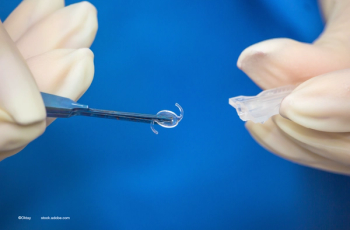
Research team suggests careful follow-up is required for possible endothelial injury.

Ultra-widefield imaging may be a promising technology for assessing larger areas of the retinal vasculature to uncover retinal changes in Alzheimer’s disease, according to investigators.

Recent research suggests the need for routine HSV-1 and VZV PCR testing in all explanted corneas regardless of clinical suspicion to detect, treat, and prevent possible recurrence of herpes infection in corneal grafts and support graft survival.

The technology uses excimer laser energy to create microscopic openings in the trabecular meshwork to re-establish the natural flow of aqueous.

Ocular involvement in IBD is a rare extraintestinal manifestation, but may be critical because of its potential sight-threatening complications if not treated promptly and accurately, according to researchers.
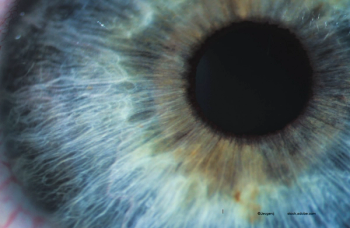
The research team reported a few differences in patients that included a decreased mean vessel density at the deep vascular complex of the macula, a decreased mean subfoveal choroidal thickness, and an increase in the size of the foveal avascular zone.

Best-corrected visual acuity and minimum linear diameter before surgery may be indicators for anatomical success.

Investigators' data showed that overweight/obesity, migraine, asthma, and smoking are major risk factors for conversion from ocular hypertension to open-angle glaucoma in this Spanish and Portuguese population.
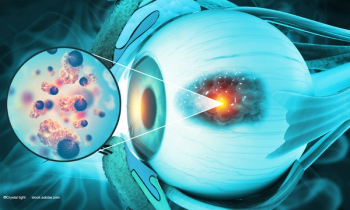
Resection techniques for choroidal tumours are based on modern vitreoretinal surgical techniques, which allow for the treatment of more challenging cases.

Findings may help pediatricians and ophthalmologists to determine the appropriate timing of examinations and treatment.

The technology is used to treat glaucoma at the same time as cataract surgery.

The decentration and dislocation of lens is key reason for explantation.

Pegcetacoplan is the only GA treatment to demonstrate increased effects over 24 months across a broad patient population.
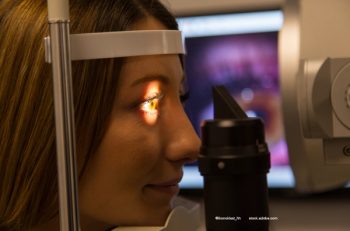
The company anticipates introducing latanoprost ophthalmic solution 0.005% to U.S. eye care practitioners in the second half of 2023.

Understanding vitreomacular interface diseases is key to treatment.

Patients need to pay attention to their eye health over the long term.

Members of the Ophthalmology Times Europe® Editorial Advisory Board were asked to predict developments in their ophthalmic specialties and interests for 2023. A focus is our ageing population, while efficiency and productivity are also on their minds. The board members agree that one of the major challenges in the year to come will be the large number of patients awaiting diagnosis and treatment, which is only going to increase with the rising average life expectancy worldwide.

A study of paediatric ophthalmology visits during the COVID-19 pandemic reveals a sharp drop in completed visits, especially among Black patients, older children and non-English-speaking patients.