
The European Medicines Agency's new standard procedure allows manufacturers to request advice from medical device expert panels
The European Medicines Agency's new standard procedure allows manufacturers to request advice from medical device expert panels

The link between eye health and mental health may be deeper than previously believed
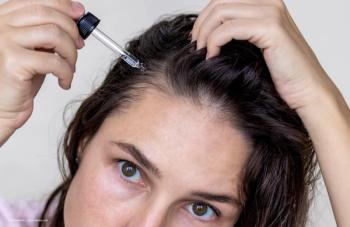
The authors emphasised that consumers and clinicians should be made aware of potential ophthalmic adverse events associated with cosmetics and personal care products
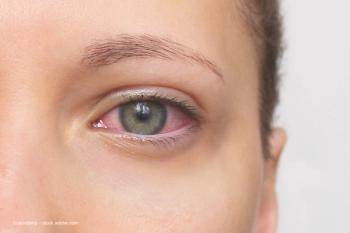
A qualitative study method illuminates patients’ fears for the future

The implant was tested in eyes of patients with bilateral age-related macular degeneration who underwent cataract surgery

Choroidal and retinal changes were examined with optical coherence tomography angiography

Intercontinental collaboration is key to unlocking ROP in our lifetime

Binocular eye tracking could serve as alternative to patching and provide visual acuity gains with heightened adherence rates

Previously, Susvimo was called the Port Delivery System with ranibizumab in the United States

The hearing aid glasses from EssilorLuxottica received CE marking under the Medical Devices Regulation of the EMA

OCU400 is the first gene therapy from the biotechnology company to move forward into Phase 3 with a broad retinitis pigmentosa (RP) indication

Pavblu and Skojoy, both from Amgen, are indicated for the treatment of neovascular age-related macular degeneration


The lead gene therapy candidate, AXV-101, is expected to enter clinical development in mid-2025
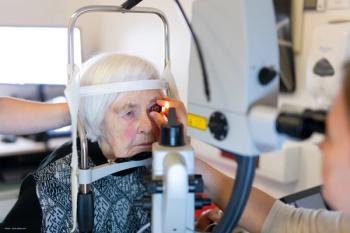
The gel addresses necrotic retinal cell death in dry age-related macular degeneration and geographic atrophy without requiring injections

Investigators examined the connection between amblyopia, components of the metabolic syndrome and individual cardiometabolic diseases
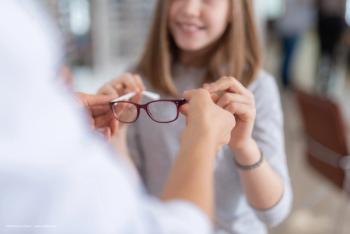
The extension includes lenses that range from minus power of -13.00 diopters to cylindrical power up to 4.00 diopters

The approval of Syfovre makes it the first and only approved treatment for GA in Australia.

The centre will facilitate research and access to resources for the 450,000 residents of the UK who are affected by sight and hearing loss

The scientific outputs from MACUSTAR’s study could impact more than 200 million patients with AMD globally

Diana V. Do, MD, spoke on behalf of the HELIOS investigators at the Hawaiian Eye and Retina 2025 Meeting, in Kauai, HI

Ultrasounds reveal the distinct feature within the vitreous anterior, a promising diagnostic indicator for ocular pathologies

ARCATUS or ARVN001 was developed by Clearside Biomedical and commercialised in the Asia-Pacific region by Arctic Vision
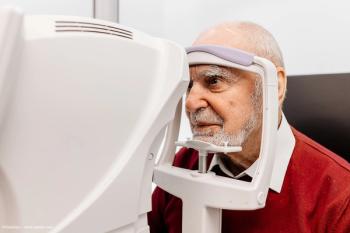
Predictive software will use retinal imaging to identify patient risk for Alzheimer and other neurodegenerative diseases

The study findings suggest that patients should be educated about adherence to cold storage guidelines

Participants wore high-add multifocal soft contact lenses for 2 years and single-vision lenses during the third year to determine if rebound occurred
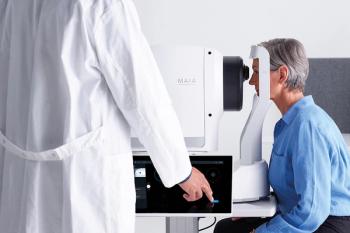
The updated device is designed to meet market diagnostic needs, including within geographic atrophy research
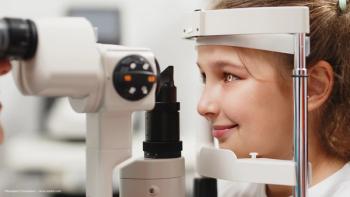
Autonomous, AI-based screening consistently resulted in more patients screened with greater cost savings, investigators said

A case report highlights the pathogen’s potential to cause severe, devastating ocular infections, despite aggressive treatment

The transferrin vectorised therapy is being investigated for use in patients with dry age-related macular degeneration and geographic atrophy