
Samsung Bioepis launched Opuviz, an aflibercept biosimilar, in Europe for wet AMD, DME, retinal vein occlusion, and myopic CNV.

Samsung Bioepis launched Opuviz, an aflibercept biosimilar, in Europe for wet AMD, DME, retinal vein occlusion, and myopic CNV.

The 17th European Glaucoma Society (EGS) Congress—being held in Brussels, Belgium, from 30 May to 2 June 2026—brings together glaucoma specialists across plenary sessions, hands-on surgical dry labs, national society symposia and cross-specialty debates.

A retrospective study from a UK tertiary centre reports satisfactory visual and topographic outcomes in patients monitored and treated by optometrists and nurse practitioners.

The incision-free, image-guided femtosecond laser system targets the trabecular meshwork to reduce IOP without entering the eye. Prof. Gus Gazzard discusses the technology, the patient experience and the potential for earlier interventional glaucoma treatment

Swiss regulator backs tinlarebant for Stargardt as DRAGON phase 3 shows slower retinal atrophy, bringing first treatment closer to patients.

The novel dual-port cutter, designed for use with the Stellaris Elite platform, offers increased flow rate and reduced cutter vibration.

Emerging evidence repositions role of selective laser trabeculoplasty
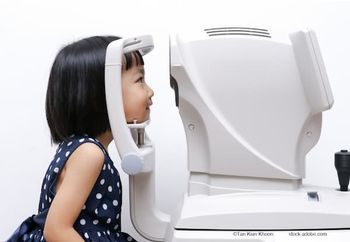
Ultra-widefield imaging reveals early retinal risk in paediatric patients.

Professor Alió reflects on a new comprehensive volume dedicated to aging in ophthalmology

Temporal optical coherence tomography modelling may improve longitudinal disease tracking.

The dual-function phaco-vitrectomy platform is cleared for European commercialization, with launch targeted for Q3 2026.

Understanding thyroid eye disease and its often-missed diagnosis.

A closer look at the science powering next-generation retinal treatments.

Most patients do well on topical therapy, but innovation in IOP-lowering drops remains essential. For as long as I can recall, there has been ongoing discussion about the drawbacks of initiating glaucoma therapy with IOP–lowering medications. This narrative has been amplified in recent years with the advent of early procedural interventions, particularly minimally invasive glaucoma surgery (MIGS) and implanted sustained-release devices. Laser trabeculoplasty has remained a reasonable first-line option for patients with newly diagnosed primary open-angle glaucoma (POAG), supported by data from multiple clinical trials, most recently the LiGHT trial (ISRCTN32038223) conducted in the UK.1 One might ask why topical eye drop medications remain the mainstay of glaucoma therapy in the US and worldwide. The reason is straightforward: when patients with newly diagnosed glaucoma are started on eye drops and followed at appropriate intervals—with medical and surgical therapy escalated as needed—most will do well. This treatment paradigm is supported by findings from numerous clinical trials, ranging from the Collaborative Initial Glaucoma Treatment Study (NCT00000149) to the United Kingdom Glaucoma Treatment Study (ISRCTN96423140).2,3 Market data indicate that the glaucoma pharmaceutical market, even in a heavily genericised environment, is approximately five times the size of the interventional glaucoma market.4 Topical glaucoma medication therapy is here to stay. However, the pace of innovation in developing new molecular entities that provide safer and more effective IOP lowering via topical delivery has slowed in recent decades, perhaps due to increased attention on surgical glaucoma interventions and neuroprotective candidate therapies. Last year, I delivered the Carl B. Camras, MD, Memorial Lecture at the 31st Annual Gifford-Truhlsen Conference at the University of Nebraska Medical Center in Omaha, Nebraska, US.5 About 50 years ago, Camras—then an undergraduate majoring in molecular biophysics and biochemistry at Yale University—conceived the idea that low-dose prostaglandins could safely and effectively treat glaucoma by lowering IOP. He continued this work at Columbia University during medical school and collaborated with his professor, László Bitó, PhD, and researchers at Pharmacia Corporation in Uppsala, Sweden, to develop latanoprost, which was introduced as Xalatan in 1996.6 Several other classes of glaucoma medications, including topical carbonic anhydrase inhibitors and α-adrenergic agonists, were also introduced in the 1990s.7,8 Over the past few decades, the development of novel topical glaucoma therapeutics has been limited. At the same time, topical medications remain widely used in real-world practice. Despite challenges with drug delivery, adverse effects and adherence, eye drops continue to be a mainstay of therapy. One reason is the epidemiology of POAG. Most patients—particularly those diagnosed early—experience slow or minimal disease progression, even if therapy is not fully optimised. Observational and interventional studies, including real-world data, indicate that only a small subset of patients (approximately 4% to 10%) are fast progressors, losing more than 1 dB of mean deviation per year.9,10 Furthermore, in large, randomised, well-controlled clinical trials, between one-third and two-thirds of participants who received a placebo or no treatment showed no progression.3,11 Twenty-year follow-up data from OHTS (NCT00000125) revealed that only 25% of participants followed for 2 decades developed any visual field change from baseline.12 These data should be sobering to those advocating for an early interventional approach to glaucoma care. If half or more of individuals who qualify for IOP-lowering treatment are destined to do well even without therapy, the safety and reversibility of medical therapy become particularly attractive. Why do we treat so many people who may not ultimately need treatment? The reason, of course, is that we cannot prospectively identify which patients will worsen, and glaucomatous vision loss is generally irreversible. Fortunately, glaucomatous disease most often progresses slowly, and clinicians usually have multiple opportunities to intervene before patients develop symptoms, particularly when the disease is diagnosed early. Tailoring therapy: Monitoring, progression and patient outcomes Longitudinal disease surveillance is likely the single most important factor in determining whether a patient will do well. For example, if a patient is started on IOP-lowering therapy and shows no disease progression over the next 2 years, this should be considered a successful outcome, regardless of whether the patient consistently adheres to the medication regimen. Conversely, if the patient shows progression over this period, the current therapy, whether taken or not, is insufficient, and escalation of treatment, including surgical options, should be considered. The wide variability in the natural history of glaucoma among patients—even among those with similar risk factors—makes regular follow-up essential, rather than relying on one-time interventions that may or may not be effective long term. The current debate in glaucoma care is not between eye drops and procedural interventions, but rather about practitioners’ commitment to follow patients carefully and accept that patients should be subjected to the minimum harm necessary to preserve vision. It is also noteworthy that procedural interventions may, in some cases, reduce a patient’s likelihood of returning for careful follow-up—perhaps due to a false sense of security that the intervention will provide permanent control. In such individuals, the risk of vision loss may be higher than in those who receive regular surveillance. Therapy cannot be advanced if the patient does not return for follow up, and adherence to medications does not necessarily correlate with adherence to follow-up appointments.13,14 Finally, it is important to note that procedural interventions, including MIGS and drug-delivery devices, provide limited efficacy. Many patients undergoing these procedures will ultimately require additional medications. Among currently available surgical options, only trabeculectomy is associated with a reasonably high likelihood of keeping patients off medications in the long-term. Most patients receiving MIGS, minimally invasive bleb-forming procedures, or long-tube glaucoma implants will require supplemental IOP-lowering medications to maintain safe IOP levels. Among drug-delivery platforms, only prostaglandin analogues are commercially available for intraocular delivery, and data from large clinical trials have shown that a single class of medication is generally insufficient to control IOP over the long term in many patients who demonstrate disease progression. Topical glaucoma medications, therefore, remain essential, and innovators should continue to pursue new molecular entities that lower IOP more effectively than—and/or synergistically with—currently available agents, whether delivered as eye drops or through other drug-delivery approaches. Missing the mark Overtreatment of patients who do not truly have progressive glaucomatous disease, and who would be better classified as glaucoma suspects or ocular hypertensives, is undoubtedly an important problem for several reasons. However, a potential glaucoma public health crisis in the US may be emerging not from overtreatment of the many, but from undertreatment of the few—less than 10%—who are destined to go blind from glaucoma and are receiving minimal therapy. Over the past 5 years, I have seen more patients with advanced glaucomatous disease who were either not offered trabeculectomy or were discouraged from undergoing the procedure than in the preceding quarter-century. Some of these patients presented after already losing vision, sometimes in tears as they described undergoing a series of MIGS procedures and being told that trabeculectomy was an outdated operation that is no longer used. Unfortunately, much of this narrative appears to be driven by transactional care, in which certain practitioners may perceive greater revenue potential with MIGS and insufficient reimbursement for the time and effort required for traditional procedures such as trabeculectomy.15 Denying patients meaningful interventions could ultimately become a major cause of increased blindness from glaucoma in future generations. Ironically, this could be an unintended consequence of an interventional glaucoma mindset imposed on patients with advanced or rapidly progressive disease who are denied the ultimate intervention: trabeculectomy, the procedure most likely to prevent blindness. Novel drugs and continued innovation Returning to medical therapy—which is here to stay for the treatment of most patients with glaucomatous disease—there are several promising novel therapeutics at various stages of the innovation cycle. For example, one compound (QLS-111; Qlaris Bio, Inc) may represent a first-in-class agent that lowers IOP by reducing episcleral venous pressure. We need drugs that are better tolerated and that can meaningfully reduce IOP when used adjunctively with prostaglandin analogues, the most commonly prescribed first-line glaucoma medications. My wish list for a new glaucoma drug includes one with no systemic adverse effects and excellent ocular tolerability, with low rates of allergic reactions, hyperemia, or ocular pain and discomfort. A drug that could consistently lower IOP by an additional 2 to 3 mm Hg beyond what is achieved with a prostaglandin analogue, and that has ocular tolerability similar to timolol and systemic tolerability similar to latanoprost, would be a win for our patients. Selective laser trabeculoplasty (SLT) should, and will, continue to play an important role as an initial or adjunctive treatment option for OAG. However, SLT is not a panacea, and the disease of most patients who live one or more decades after diagnosis will not be adequately controlled with SLT alone, even if the procedure is repeated. Topical medications will continue to play an essential role, and we should continue to pursue novel molecular entities that safely and effectively lower IOP. To put this in perspective, if anti-VEGF therapy could be delivered safely and effectively with topical eye drops, I doubt many patients would choose to return every few months for intraocular injections. In the mid-1990s, when several new classes of glaucoma medications were introduced over 5 years, most major glaucoma meetings focused on medical therapy, with little discussion of surgery. The pendulum has now swung to the other extreme, with little, if any, recent discussion of topical glaucoma medications. One unforeseen consequence of this shift is that trainees and young practitioners may be misled into thinking that glaucoma eye drops will soon become obsolete. If this misperception reduces training in the characteristics of glaucoma drugs—such as optimal dosing regimens, peak and trough effects, contraindication and stepwise treatment algorithms—patients will be poorly served. Continued innovation in glaucoma pharmaceuticals to safely lower IOP, along with training the next generation of ophthalmologists in the nuances of prescribing topical glaucoma medications, remains as essential today as it has been in the past. Physicians and their patients with glaucoma have benefited from many novel procedural approaches that have emerged over the past 25 years. I am grateful to have these options available in my practice, as they have helped improve care for many patients. Gratitude is owed to pioneering individuals—including James B. Wise, MD; Douglas E. Gaasterland, MD; Thom J. Zimmerman, MD, PhD; George Baerveldt, MD; Mary G. Lynch, MD; Reay H. Brown, MD; and many others—who envisioned and developed safer interventions than traditional glaucoma surgeries. Procedural interventions, however, will not replace the importance of glaucoma pharmaceuticals, including eye drops. Procedural and pharmaceutical innovation can—and should—coexist to optimise care for future generations of patients with glaucoma. Kuldev Singh, MD, MPH E: [email protected] Singh is a professor of ophthalmology and director of the Glaucoma Service in the Department of Ophthalmology at Stanford University School of Medicine in Palo Alto, California, US. He is a consultant to Alcon, Bausch + Lomb, Elios Vision, Novartis, Oculis, Ocular Therapeutix, Qlaris Bio, Radiance Therapeutics, and Sight Sciences. The thoughts and opinions expressed are those of Singh and do not necessarily represent the opinions of this publication. References Gazzard G, Konstantakopoulou E, Garway-Heath D, et al; LiGHT Trial Study Group. Laser in glaucoma and ocular hypertension (LiGHT) trial: six-year results of primary selective laser trabeculoplasty versus eye drops for the treatment of glaucoma and ocular hypertension. Ophthalmology. 2023;130(2):139-151. doi:10.1016/j.ophtha.2022.09.009 Lichter PR, Musch DC, Gillespie BW, et al; CIGTS Study Group. Interim clinical outcomes in the Collaborative Initial Glaucoma Treatment Study comparing initial treatment randomized to medications or surgery. Ophthalmology. 2001;108(11):1943-1953. doi:10.1016/s0161-6420(01)00873-9 Founti P, Bunce C, Khawaja AP, Doré CJ, Mohamed-Noriega J, Garway-Heath DF; United Kingdom Glaucoma Treatment Study Group. Risk factors for visual field deterioration in the United Kingdom Glaucoma Treatment Study. Ophthalmology. 2020;127(12):1642-1651. doi:10.1016/j.ophtha.2020.06.009 Charters L, Ingenito KH. The glaucoma market: novel devices, drugs drive rapid, sustained expansion. Ophthalmology Times. April 26, 2022. Accessed June 4, 2025. https://www.ophthalmologytimes.com/view/the-glaucoma-market-novel-devices-drugs-drive-rapid-sustained-expansion Singh K. Transactional care and the looming glaucoma public health crisis. Carl B. Camras, MD, Memorial Lecture. Presented at: 31st Annual Gifford-Truhlsen Conference; University of Nebraska Medical Center; June 13, 2025; Omaha, NE. Camras CB, Bito LZ. Reduction of intraocular pressure in normal and glaucomatous primate (Aotus trivirgatus) eyes by topically applied prostaglandin F2α. Curr Eye Res. 1981;1(4):205-209. doi:10.3109/02713688109001850 Managing glaucoma: a full-spectrum approach. Ophthalmology Times. November 8, 2008. Accessed January 2, 2026. https://www.ophthalmologytimes.com/view/managing-glaucoma-full-spectrum-approach-0 Groves N. Tracing history of glaucoma drugs. Ophthalmology Times. May 10, 2019. Accessed January 2, 2026. https://www.ophthalmologytimes.com/view/tracing-history-glaucoma-drugs Chauhan BC, Malik R, Shuba LM, Rafuse PE, Nicolela MT, Artes PH. Rates of glaucomatous visual field change in a large clinical population. Invest Ophthalmol Vis Sci. 2014;55(7):4135-4143. doi:10.1167/iovs.14-14643 Jackson AB, Martin KR, Coote MA, et al. Fast progressors in glaucoma: prevalence based on global and central visual field loss. Ophthalmology. 2023;130(5):462-468. doi:10.1016/j.ophtha.2023.01.008 Heijl A, Leske MC, Bengtsson B, Hyman L, Bengtsson B, Hussein M; Early Manifest Glaucoma Trial Group. Reduction of intraocular pressure and glaucoma progression: results from the Early Manifest Glaucoma Trial. Arch Ophthalmol. 2002;120(10):1268-1279. doi:10.1001/archopht.120.10.1268 Kass MA, Heuer DK, Higginbotham EJ, et al; Ocular Hypertension Study Group. Assessment of cumulative incidence and severity of primary open-angle glaucoma among participants in the Ocular Hypertension Treatment Study after 20 years of follow-up. JAMA Ophthalmol. 2021;139(5):1-9. doi:10.1001/jamaophthalmol.2021.0341 Ung C, Murakami Y, Zhang E, et al. The association between compliance with recommended follow-up and glaucomatous disease severity in a county hospital population. Am J Ophthalmol. 2013;156(2):362-369. doi:10.1016/j.ajo.2013.03.005 Ung C, Zhang E, Alfaro T, et al. Glaucoma severity and medication adherence in a county hospital population. Ophthalmology. 2013;120(6):1150-1157. doi:10.1016/j.ophtha.2012.11.026 Singh K. Transactional care and the looming glaucoma public health crisis. Ophthalmology. 2024;131(8):877-879. doi:10.1016/j.ophtha.2024.04.017

Specialists discuss diagnostic technologies, treatment strategies and research that are improving outcomes for young patients.

A neuroprotective investigational candidate for optic neuritis (ON) has received Priority Medicines (PRIME) designation from the European Medicines Agency (EMA).

Q1 2026 eye-care roundup: first dual-agent presbyopia drop, new EDOF IOL, wet AMD phase 3 win, and gene-therapy advances.Major ophthalmic events in the first quarter of 2026 included treatments for presbyopia, age-related macular degeneration (AMD), dry eye, glaucoma, corneal dystrophy, geographic atrophy, and a new intraocular lens (IOL), among others.1 Key FDA approvals & regulatory actions during Q1 2026) Yuvezzi 2.75%/0.1% (carbachol/brimonidine, Tenpoint Therapeutics Ltd.) was approved as the first dual-agent eye drop designed to treat presbyopia in adults. The dual actions include improving the near vision without decreasing the distance vision.2 TECNIS PureSee intraocular lens (IOL). On March 12, 2026, Johnson & Johnson announced that the FDA approved the TECNIS PureSee extended-depth-of-focus IOL for cataract surgery.3 The launch is planned for later in the year. A full 97% of patients implanted with the IOL reported having no “very bothersome visual disturbances,” according to the company. GEB-101: GenEditBio received Investigational New Drug (IND) clearance to start an in vivo gene-editing trial targeting TGFBI corneal dystrophy in January 2026. This allowed the initiation of the phase 1/2 CLARITY trial to evaluate the safety and efficacy of the CRISPR-based gene therapy for corneal dystrophy associated with the TGFB1 gene.4 OPGx-BEST1: Opus Genetics reported positive initial phase 1/2 data for OPGx-BEST1 to treat Best vitelliform macular dystrophy and autosomal recessive Bestrophinopathy on February 27, 2026. The data showed that the first patient tolerated the drug well with no serious adverse effects. The 3-month results showed a 12-letter increase in visual acuity and decreased central subfield thickness.5 Axpaxli/Duravyu (axitinib/vorolanib). Ocular Therapeutix reported topline data from the phase 3 SOL-1 trial of Axpaxli/Duravyu (axitinib/vorolanib) for wet age-related macular degeneration (AMD) on February 17, 2026.6 The study met its primary endpoint, with 74.1% of patients treated with Axpaxli maintaining vision at week 36 compared to 65.9% in the control (aflibercept, Eylea, Regeneron Pharmaceuticals) group, according to the report. Axpaxli showed superiority over a 2-mg dose of aflibercept, though the magnitude of the benefit was lower than some investors expected, according to eyewire. Geographic atrophy (GA). Ocugen Inc. released its phase 2 data for OCU410 (AAV5-RORA), a subretinal gene therapy for GA secondary to dry AMD, on January 15, 2026.7 The data showed positive preliminary results at the 12-month timepoint. The key results, according to the company, were a 46% decrease in lesion growth (medium + high dose) compared to the control, with a 50% responder rate, demonstrating significant potential for treating this. In addition, the full data set was released on March 24. The key takeaways were as follows: Medium-dose OCU410 met the 12-month primary endpoint, reducing GA lesion growth by 31% in baseline lesions 2-17.5mm², and by 33% in subgroup lesions 5-17.5mm². Structural biomarkers aligned with disease-modifying activity, including 27% slower ellipsoid zone loss and 55% of treated patients achieving ≥30% lesion-growth reduction relative to control. Pipeline Update Reproxalap (Aldeyra Therapeutics) received a third complete response letter for reproxalap.8 The FDA concluded that the New Drug Application lacked substantial evidence of efficacy for dry eye signs and symptoms despite no safety/manufacturing deficiencies. Triesence (Harrow) received IND clearance for a phase 3 trial. The drug is used to better visualize the vitreous intraoperatively. NTX-1024 (NexEos Bio) obtained Orphan Drug Designation for NTX-1024 to treat a protein involved in vernal keratoconjunctivitis. References Charters L. Ophthalmology pipeline watch: Key trial results and PDUFA dates for Q1 2026. Ophthalmology Times.https://www.ophthalmologytimes.com/view/ophthalmology-pipeline-watch-key-trial-results-and-pdufa-dates-for-q1-2026#:~:text=Key%20Takeaways,a%20particular%20focus%20of%20ophthalmologists. Ernst D. Presbyopia. Ophthalmology Advisor. https://www.ophthalmologyadvisor.com/news/yuvezzi-approved-as-once-daily-combination-therapy-for-presbyopia/#:~:text=The%20most%20common%20adverse%20reactions,the%20second%20quarter%20of%202026.&text=References:,.yuvezzi.com/pi. Johnson & Johnson. https://www.jnj.com/media-center/press-releases/johnson-johnson-announces-fda-approval-of-tecnis-puresee-intraocular-lens-a-breakthrough-solution-for-u-s-cataract-patients FDA Clears IND for GenEditBio’s GEB-101 in TGFBI corneal dystrophy. Ophthalmology Management.https://ophthalmologymanagement.com/news/2026/fda-clears-ind-for-geneditbios-geb101-in-tgfbi-corneal-dystrophy#:~:text=FDA%20Clears%20IND%20for%20GenEditBio's,and%20deposits%20in%20the%20cornea. Opus Genetics.Announces Initial Clinical Data from Phase 1/2 OPGx-BEST1 Gene Therapy Study at the Macula Society Annual Meeting. https://ir.opusgtx.com/press-releases/detail/520/opus-genetics-announces-initial-clinical-data-from-phase-12-opgx-best1-gene-therapy-study-at-the-macula-society-annual-meeting#:~:text=Opus%20Genetics%20Announces%20Initial%20Clinical,%2C%20in%20San%20Diego%2C%20California. Ocular Therapeutix Announces Positive Phase 3 SOL-1 Results Demonstrating Superiority of Axpaxli in Wet AMD. https://eyewire.news/news/ocular-therapeutix-announces-positive-phase-3-sol-1-results-demonstrating-superiority-of-axpaxli-in-wet-amd?c4src=article:infinite-scroll Ocugen announces positive preliminary phase 2 data from ocu410 modifier gene therapy for geographic atrophy secondary to dry age-related macular degeneration. https://ir.ocugen.com/news-releases/news-release-details/ocugen-announces-positive-preliminary-phase-2-data-ocu410/#:~:text=Phase%202%20data%20from%20the%20ArMaDa%20clinical,Phase%201%20and%20Phase%202%20clinical%20trials. Harp MD. Aldeyra receives third complete response letter for reproxalap. Ophthalmology Times. March 17, 2026. https://www.ophthalmologytimes.com/view/aldeyra-receives-third-complete-response-letter-from-the-fda-for-reproxalap-and-the-treatment-of-dry-eye-disease


Prof. Sobha Sivaprasad discusses why GA's multistage nature demands a broader therapeutic approach—and what evidence will shape clinical decision-making.

The 17th annual Congress on Controversies in Ophthalmology takes place on 20–21 March 2026 in Kraków, Poland, bringing together an international faculty for two days of structured debate on the most pressing questions in the field.

The trial, sponsored by ONL Therapeutics, aims to enrol approximately 324 patients across sites in Europe, the United States, and Canada.

According to the manufacturer, TECNIS PureSee is the first US EDOF IOL approved by the FDA with no warning on contrast sensitivity.

The 3rd Winterthur Ophthalmology Symposium in Winterthur, Switzerland, on 12–13 March 2026 will feature plenary talks, hands-on workshops, satellite sessions, poster presentations, and a gala honoring the Otto Haab Medal.

Marta Pazos, MD, PhD, on how OCT and emerging AI can help spot preperimetric glaucoma years before vision loss while avoiding false positives from myopia and disc anatomy.

Experts share practical and research-based advancements, offering actionable strategies in diagnosis, treatment, and early detection.

Learn how OCT aids neuro-ophthalmology, where it falls short, and why AI plus neurologist–ophthalmologist teamwork prevents misdiagnosis.

Steffen Hamann, PhD, FEBO, FRCOphth, offers insight into the landscape for optic disc drusen and the impact of advances in OCT.

Healthcare staff face splashes, aerosols, chemicals, and lasers daily; ANSI-rated eye protection and better compliance prevent most workplace injuries.

An ophthalmology resident shares insights from experiences across Mexico, Europe, and the US.