





















Professor Auffarth of Heidelberg University Eye Clinic reports on the results of his implantation of the LENTIS Mplus and explains how the lens works using a new unique optical principle.
Professor Auffarth of Heidelberg University Eye Clinic reports on the results of his implantation of the LENTIS Mplus and explains how the lens works using a new unique optical principle.
Allergan Inc. expects its ketorolac tromethamine ophthalmic solution 0.45% (Acuvail) to be available in the United States in September. The preservative-free formulation of ketorolac, a nonsteroidal anti-inflammatory drug (NSAID), is indicated for the treatment of pain and inflammation after cataract surgery and received FDA approval at the end of July, the company announced.
Results from the Omeros Corporation for the Phase I/Phase II clinical trial of OMS302, a proprietary combination of an anti-inflammatory agent and an agent that causes pupil dilation (mydriasis) are said to be promising.
Researchers in Cleveland have discovered the first gene associated with the formation of age-related cataracts. EphA2 encodes an enzyme that plays a role in the repair of proteins in the lens of the eye after they become damaged and clump together, according to the investigators.
ACUVAIL (Allergan), the ketorolac tromethamine ophthalmic solution, which acts as a treatment for inflammation and pain after cataract surgery has been approved by the FDA.
The use of implantable collamer lenses (ICLs) to correct moderate to high myopia can offer predictable and stable results over a long period of time, according to a report published in the July issue of Archives of Ophthalmology.
Residual myopic errors can be successfully corrected postoperatively by using light-adjustable lens technology (LAL) in cataract patients, concludes a study published online by Ophthalmology.
Implementation of novel techniques to analyze the fluidic signature of phacoemulsification performed using different ultrasound modalities and phaco tips is providing important insights that will be helpful for improving the efficiency and safety of lens removal surgery.
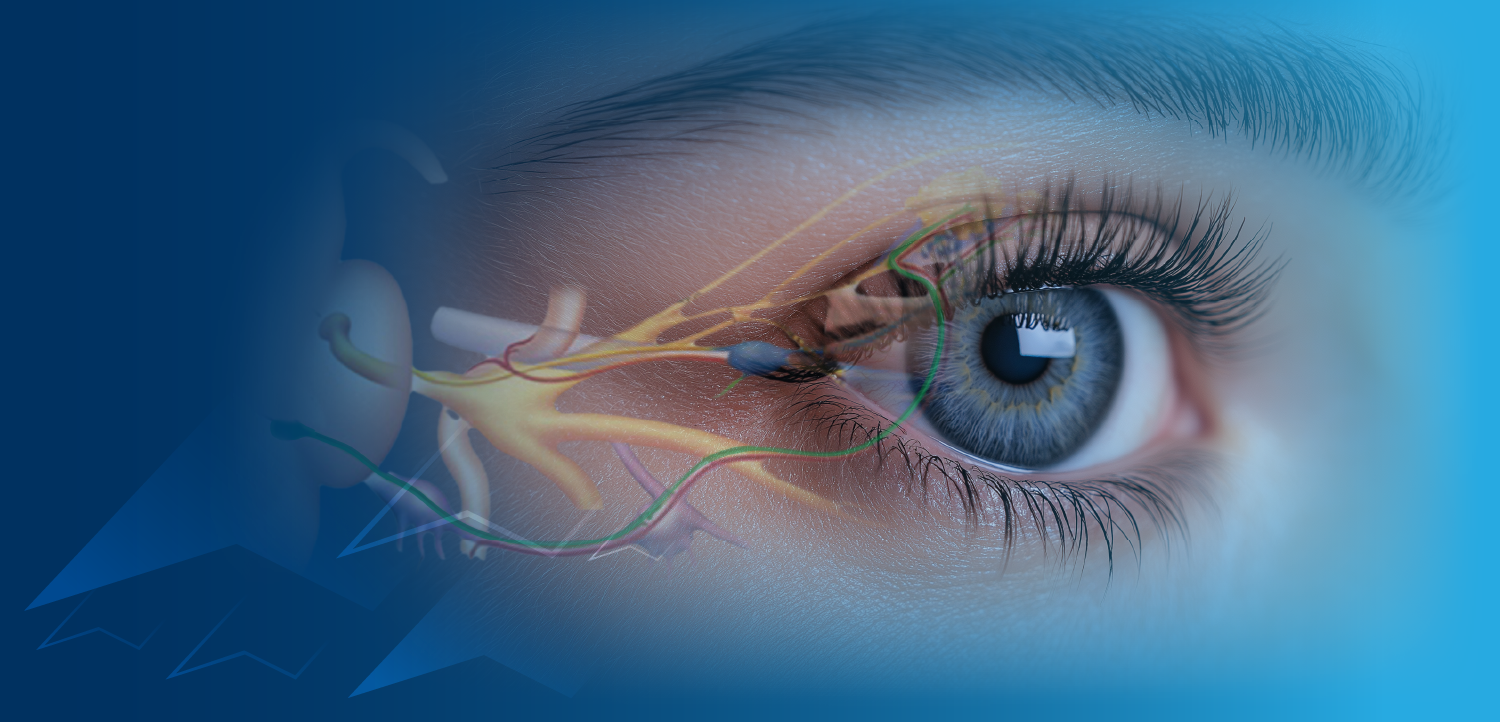
How hyaluronic acid-based eye drops can help repair nerve damage.
Latest technology for cataract surgery.
Examining how best to treat dry eye in LASIK patients.
How to retain mositure on the ocular surface
A look at the science behind accommodation and how it must be understood properly in order to create effective lenses
Does gender make a difference to patient satisfaction?
A preview of this year's ESCRS congress in Barcelona.
Oertli has developed a new phaco tip, easyTip2.2mm, based on the design of the CO-MICS 2. It uses a new fluidics concept with a high vacuum setting and a wide infusion path, creating a strong axially directed flow.
The Food and Drug Administration (FDA) has warned that doctors promoting LASIK may not be informing consumers correctly about potential risks involved.
Implanting toric IOLs during phacoemulsification.
Examining why wavefront guided ablation provides the best optical results in the majority of patients.
Does transient IOP elevation prevent doctors from submitting patients to refractive procedures?
A comparison of two silicone lenses; the Staar KS3-Ai pre-loaded and the Tecnis Z9002
According to a report in the Journal of the American Medical Association patients taking tamsulosin for benign prostrate enlargement within 14 days of cataract surgery may have an increased risk of complications.
The cataract surgery technology landscape including pipeline products at varying development stages comes under scrutiny in a new report released this month.
Oculentis will present its presbyopia correcting LENTIS Mplus IOL at DOC 2009 in Nuremberg to an expert audience. It claims the lens features a completely new approach in multi-focal lens technology.
Visiogen is reporting significant progress in the development of the Synchrony IOL, including the completion of the US phase III study, the formation of Visiogen Europe GmbH and the commencement of commercialization in Europe.