

Publication|Articles|June 22, 2026
- Ophthalmology Times Europe May/June 2026
- Volume 22
- Issue 3
Mulling over options for mitigating severe vision loss from diabetes
Author(s)A. Paul Chous, MA, OD, FAAO
Utilize oral agents, diet and glucose monitoring systems when acting to preserve vision
Advertisement
For decades, the management of diabetic retinopathy (DR) has consisted mainly of optimizing metabolic control (blood glucose, pressure and lipids) and routine surveillance as preventive strategies, with photocoagulation, intravitreal injections (VEGF inhibitors and corticosteroids) and surgical interventions (ie, pars plana vitrectomy) as therapeutic strategies against severe vision loss in more advanced presentations (diabetic macular oedema [DMO], proliferative diabetic retinopathy [PDR], vitreous hemorrhage [VH] and traction retinal detachment). This paradigm has resulted in far better patient outcomes, as evidenced by dramatic reductions in profound visual loss over the past
5 decades, as well as significant declines in sight-threatening DR over the past 20-plus years in patients with diabetes.1
Unfortunately, many patients present only after experiencing some degree of vision loss, when currently approved therapeutic interventions are less effective.2 Perhaps as a direct consequence, it is estimated that 30% to 50% of patients with DMO have a suboptimal response to anti-VEGF injections.3 This raises the question of what other easily implementable and inexpensive preventive and/or therapeutic strategies may bend the arc. They include several possibilities, as follows.
Wider use of inexpensive oral agents that reduce DR incidence or progression. Oral agents include fenofibrate,4 angiotensin-converting enzyme inhibitors or angiotensin receptor blockers in patients with and without hypertension,5 sodium-glucose cotransporter 2 inhibitors such as empagliflozin or dapagliflozin,6 and even an inexpensive oral HIV drug, an inflammasome inhibitor called lamivudine, which was more effective at restoring visual acuity than bevacizumab injections in a recent DMO trial.7 Moreover, at least some evidence-based nutraceutical formulations have shown promise against loss of visual function from DR.8,9
Another possibility is the use of phentermine for weight loss. In more than 50,000 overweight or obese patients, this inexpensive drug was associated with reduced chances of mild and moderate non-PDR (by 38% and 43%, respectively), PDR and DMO (by 55% and 54%, respectively), and VH (–65%).10
Unfortunately, and despite attempted statistical adjustments, there were potentially significant differences in baseline hemoglobin (Hb)A1c levels and body mass index (BMI) comparing the 2 groups (higher HbA1c and lower BMI in the cohort not using phentermine, as well as no participants with type 1 diabetes mellitus in this group). Nonetheless, these data suggest a protective association between phentermine and DR that warrants further attention.
Consumption of healthful foods and adherence to dietary patterns associated with lower risk of developing type 2 diabetes and DR.11Increasing the consumption of a variety of non-starchy vegetables and Mediterranean-type diets, including eating oily fish at least twice weekly, appears beneficial.12 Taxing injurious, diabetogenic foodstuffs is a complementary, though more politically controversial, option.
Awareness of advantages of continuous glucose monitoring systems for prevention and progression of DR.Evidence from a recent analysis of more than 25,000 patients with non-proliferative retinopathy comparing use versus non-use of continuous glucose monitoring (CGM) systems showed a 13% lower risk of incident DMO, 26% lower risk of PDR, 45% lower risk of VH, 58% lower risk of tractional retinal detachment and 28% to 63% lower risk of requiring an ocular intervention (laser/anti-VEGF and/or steroid injections/vitrectomy) at 12 and 24 months, after all controls (including HbA1c at baseline, diabetes duration, and insulin and other antidiabetes medication use).13
These findings underscore the benefit of minimizing glycemic variability by giving patients a tool for the immediate correction of both hyperglycemia and hypoglycemia, as well as the superiority of CGM over periodic glycated HbA1c assessment for reducing DR. To this end, eye doctors should be given prescriptive authority for CGM device use in patients who have incident DR, independently of insulin use (a current Medicare requirement for coverage of CGM). The availability of low-cost, OTC and highly accurate CGM devices represents a further opportunity for optometrists to ensure their patients benefit.
Addressing social determinants of health must be part of an informed national response. Rates of vision loss and blindness attributable to DR and DMO are significantly higher in poorer and underserved communities: Black, Hispanic and Indigenous individuals, and those living with food insecurity and without medical insurance, are at higher risk.14,15 This is a complex, multifaceted problem, but focusing expressly on underserved populations through a variety of methods will be effective at a
population level, including targeted and culturally appropriate patient education, subsidized provision of healthy foods and a nationalized program of highly accessible, digital retinal imaging across multiple environments.
A notable example of the latter strategy is England’s DR screening program, which utilizes the offices of general practitioners and optometrists, as well as pharmacies and community health centres, to capture undilated retinal images that are then reviewed by a centralized image-reading centre. Although imperfect, the programme reduced rates of severe vision loss caused by DR by 75% within a few years of its implementation.16 Various regional US health systems (e.g., Joslin Diabetes Center) have launched similar programmes, but without a nationalized system, achieving the kind of population-level success seen in England is doubtful. This is a more expensive strategy, but costs could be mitigated by utilizing existing optometric imaging and workforce capabilities rather than purchasing artificial intelligence–mediated imaging systems placed in the hands of providers with far less DR acumen and experience.
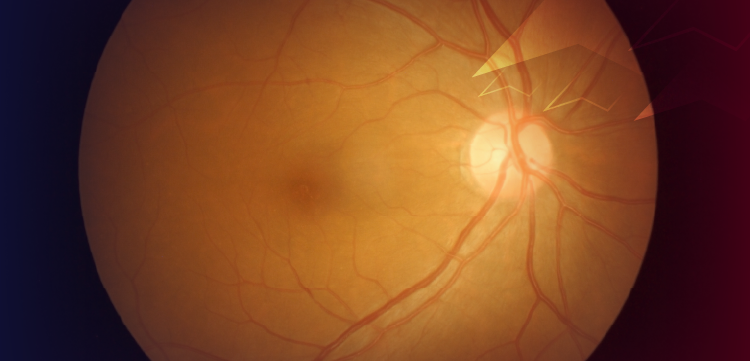
Diabetic retinal disease remains the leading cause of new-onset blindness in Americans of working age. Although this reality has changed in other nations that have implemented large-scale photographic screening networks for DR, the US has been woefully slow in implementing this strategy and still largely relies on primary care physician referrals and patient self-referral for eye examination, sometimes resulting in catastrophic vision loss (Figure).
Advocating for at least some of these additional preventive or therapeutic strategies against vision loss caused by diabetes, especially the low-cost options, makes abundant sense.
A. Paul Chous, OD, MA, FAAO
E: [email protected]
Chous has a practice emphasizing diabetes eye care and education in Tacoma, Washington, USA.
References
VanderBeek BL, Yu Y, Cardillo S, Hubbard R. Twenty-year trends in prevalence and incidence of diabetic retinal disease. Ophthalmology. 2025;132(7):767-774. doi:10.1016/j.ophtha.2025.01.022
Cavan D, Makaroff L, da Rocha Fernandes J, et al. The diabetic retinopathy barometer study: global perspectives on access to and experiences of diabetic retinopathy screening and treatment. Diabetes Res Clin Pract. 2017;129:16-24. doi:10.1016/j.diabres.2017.03.023
Rennie C, Lotery A, Payne J, Singh M, Ghanchi F. Suboptimal outcomes and treatment burden of anti–vascular endothelial growth factor treatment for diabetic macular oedema in phakic patients. Eye (Lond). 2024;38(1):215-223. doi:10.1038/s41433-023-02667-w
Liu M, Lim ST, Song W, Coffman TM, Wang X. Beyond lipids: fenofibrate in diabetic retinopathy and nephropathy. Trends Pharmacol Sci. Published online August 19, 2025. doi:10.1016/j.tips.2025.07.014
Wang B, Wang F, Zhang Y, et al. Effects of RAS inhibitors on diabetic retinopathy: a systematic review and meta-analysis. Lancet Diabetes Endocrinol. 2015;3(4):263-274. doi:10.1016/S2213-8587(14)70256-6
Goodarzi S, Soltani Abhari F, Azarinoush G, et al. SGLT2 inhibitors for delaying diabetic retinopathy: a systematic review and meta-analysis. Int Ophthalmol. 2025;45(1):406. doi:10.1007/s10792-025-03768-z
Pereira F, Magagnoli J, Ambati M, et al. Oral lamivudine in diabetic macular edema: a randomized, double-blind, placebo-controlled clinical trial. Med. 2025;6(9):100747. doi:10.1016/j.medj.2025.100747
Chous AP, Richer SP, Gerson JD, Kowluru RA. The Diabetes Visual Function Supplement Study (DiVFuSS). Br J Ophthalmol. 2016;100(2):227-234. doi:10.1136/bjophthalmol-2014-306534
Rodríguez González-Herrero ME, Ruiz M, López Román FJ, Marín Sánchez JM, Domingo JC. Supplementation with a highly concentrated docosahexaenoic acid plus xanthophyll carotenoid multivitamin in nonproliferative diabetic retinopathy: prospective controlled study of macular function by fundus microperimetry. Clin Ophthalmol. 2018;12:1011-1020. doi:10.2147/OPTH.S157635
Kumar M, Abbass NJ, Russell MW, Das N, Singh RP, Talcott KE. Lower incidence of diabetic retinopathy and worsening events after phentermine assisted weight loss across a large US cohort. Eye (Lond). 2025;39(11):2183-2187. doi:10.1038/s41433-025-03818-x
Zooravar D, Soltani P, Khezri S. Mediterranean diet and diabetic microvascular complications: a systematic review and meta-analysis. BMC Nutr. 2025;11(1):66. doi:10.1186/s40795-025-01038-w
Chew EY. Dietary intake of omega-3 fatty acids from fish and risk of diabetic retinopathy. JAMA. 2017;317(21):2226-2227. doi:10.1001/jama.2017.1926
Alsoudi AF, Wai KM, Koo E, Koo E, Mruthyunjaya P, Rahimy E. Reduced rates of diabetic retinopathy complications with use of continuous glucose monitoring. Sci Rep. 2025;15(1):25215. doi:10.1038/s41598-025-08971-7
Markle J, Shaia JK, Araich H, Sharma N, Talcott KE, Singh RP. Longitudinal trends and disparities in diabetic retinopathy within an aggregate health care network. JAMA Ophthalmol. 2024;142(7):599-606. doi:10.1001/jamaophthalmol.2024.0046
Tan L, Wang J, Han J, et al. Socioeconomic deprivation and the risk of sight-threatening diabetic retinopathy: a population-based cohort study in the UK. Diab Care. 2024;47(5):844-848. doi:10.2337/dc23-1626
Scanlon PH. The contribution of the English NHS Diabetic Eye Screening Programme to reductions in diabetes-related blindness, comparisons within Europe, and future challenges. Acta Diabetol. 2021;58(4):521-530. doi:10.1007/s00592-021-01687-w
Articles in this issue
about 2 months ago
Rethinking SLT: From pressure reduction to biological activationabout 2 months ago
Detecting peripheral retinal lesions in children with myopiaabout 2 months ago
Cover to cover: Reframing eye health through the lens of agingAdvertisement
Related Content
Advertisement


Latest CME















Advertisement
Advertisement
Trending on Ophthalmology Times Europe
1
Review highlights gaps in transition from paediatric to adult eye care
2
Mulling over options for mitigating severe vision loss from diabetes
3
Trehalose-hyaluronate combination aids tear film after eyelid surgery
4
Beyond anti-VEGF: The next wave in retinal therapy
5