
Commentary|Videos|February 1, 2026
IGS 2026: Clinical pearls for detecting pre-perimetric glaucoma
Author(s)Marta Pazos, MD, PhD, Sheryl Stevenson
Marta Pazos, MD, PhD, examined the role of optical coherence tomography, artificial intelligence, and clinical evaluation in early glaucoma management.
Advertisement
At the
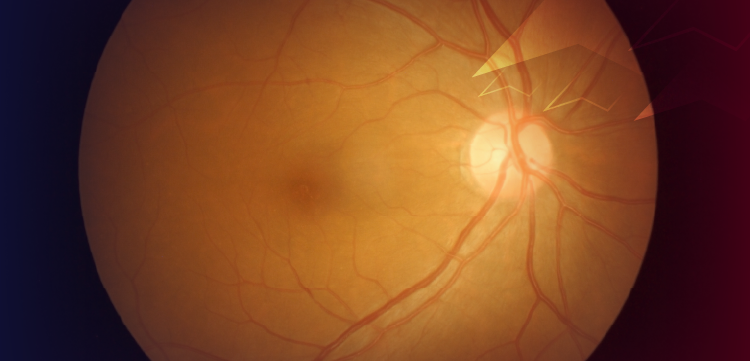
Pazos, who is director of the Clínic Ophthalmology Institute at the Hospital Clínic Barcelona, in Barcelona, Spain, noted that identifying pre-perimetric glaucoma requires recognition of structural damage before visual field loss, noting that optic nerve examination “still remains fundamental.” She identified localised neuroretinal rim thinning or notching—particularly in the inferotemporal and superotemporal regions—as the earliest and most reliable clinical signs. She described optical coherence tomography (OCT) as “indispensable” in routine practice, allowing detection of retinal nerve fibre layer thinning and ganglion cell layer defects, which may precede visual field loss by 3 to 7 years. She emphasised that early detection enables earlier treatment initiation.
Imaging and AI in early glaucoma detection
Advanced imaging and AI were presented as tools to improve sensitivity, objectivity, and longitudinal monitoring. Pazos highlighted that modern OCT devices provide reproducible measurements, progression analysis, and structure–function comparisons, enabling detection of subtle change. She noted that AI algorithms can analyse optic disc photographs, OCT maps, and multimodal data, supporting diagnosis and risk prediction. Deep learning models may predict which eyes will develop visual field loss or progress more rapidly, shifting clinical practice from a binary diagnostic approach to a probabilistic risk-based model.
Pazos addressed diagnostic challenges, particularly false positives and false negatives, referring to “red disease” and “green disease.” She noted that anatomical variations, such as split retinal nerve fibre layer bundles, highly myopic discs, tilted discs, and peripapillary atrophy, can affect OCT measurements and lead to misclassification. She stressed that imaging alone cannot establish a diagnosis and must be integrated with intraocular pressure, structural assessment, and clinical history.
On outcomes, Pazos noted that early detection improves visual prognosis, slows progression, and preserves quality of life, especially in patients with long life expectancy. From a systems perspective, she highlighted the potential of AI-based screening and referral tools using
Pazos added that implementing early detection strategies requires consistent optic nerve examination, collaboration with community and primary care providers, and tailored health system pathways, with AI offering opportunities to expand access to glaucoma diagnosis and care.
Reference
Pazos M. Early glaucoma – a comprehensive clinical guide detecting pre-perimetric glaucoma. Presented at: 2nd International Glaucoma Symposium; 31 January 2026; Mainz, Germany.
Advertisement
Related Content
Advertisement




Latest CME












Advertisement
Advertisement