

Commentary|Videos|February 1, 2026
IGS 2026: Current clinical perspectives on optic disc drusen
Steffen Hamann, PhD, FEBO, FRCOphth, discusses how optic disc drusen can mimic glaucoma and discussed evolving imaging and research strategies.
Advertisement
Steffen Hamann, PhD, FEBO, FRCOphth, discussed optic disc drusen in the context of
Hamann, from Copenhagen University Hospital – Rigshospitalet, in Glostrup, Denmark, noted that optic disc drusen is “kind of odd man out” at a glaucoma meeting but shares key features with glaucoma, including optic neuropathy, slow progression,
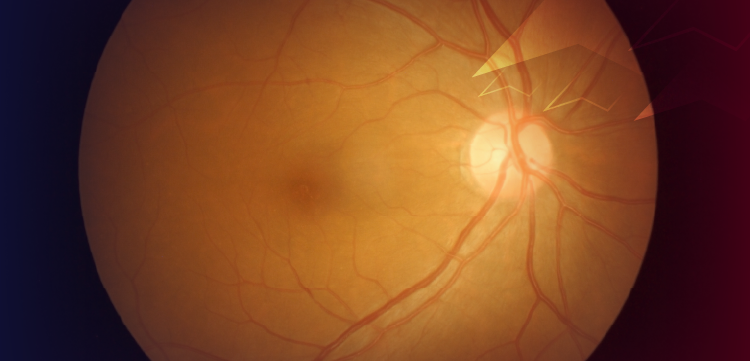
Hamann emphasised the importance of correlating disc structure with function, noting recent advances in understanding disc drusen anatomy and its clinical implications. The appearance of the optic nerve head in disc drusen can resemble true disc oedema, with peripapillary hyperreflective ovoid mass-like structures (PHOMS) contributing to this appearance. PHOMS cannot differentiate pseudopapilloedema from papilloedema, but associated features can support differentiation using a combination of fundoscopy and optical coherence tomography (OCT).
Imaging strategies and emerging tools
A systematic imaging approach was recommended, including fundoscopy, peripapillary OCT scans, and dense optic nerve head scans with enhanced depth imaging to visualise drusen and associated changes. Hamann noted that OCT has expanded understanding by detecting both superficial and deep drusen, including smaller and less calcified lesions, and providing quantitative data on afferent visual pathway damage that can be correlated with visual field deficits.
Recent developments include the refinement of artificial intelligence algorithms to distinguish pseudopapilloedema from papilloedema and to assess functional consequences of drusen for prognostication. Hamann highlighted that enhanced optic nerve head imaging is underused in routine practice due to time constraints, particularly in paediatric patients, and called for more time-efficient protocols.
Future directions include OCT angiography to assess blood flow, genetic studies to identify at-risk individuals, and improved AI-based detection and prognostication tools. The ultimate goal, Hamann noted, is “to get to a stage where we can safely treat optic disc drusen,” addressing an unmet clinical need.
Reference
Hamann S. Optic disc drusen – current clinical perspective. Presented at: 2nd International Glaucoma Symposium; 31 January 2026; Mainz, Germany.
Advertisement
Related Content
Advertisement




Latest CME














Advertisement
Advertisement
Trending on Ophthalmology Times Europe
1
Review highlights gaps in transition from paediatric to adult eye care
2
Beyond anti-VEGF: The next wave in retinal therapy
3
Trehalose-hyaluronate combination aids tear film after eyelid surgery
4
The real cost of persistent epithelial defects: Lessons from an NHS audit
5