
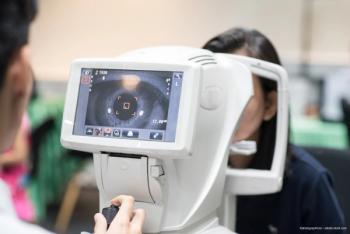
According to researchers, fluorescence lifetime imaging ophthalmoscopy reveals disease-related patterns not visible with other imaging modalities.
According to researchers, fluorescence lifetime imaging ophthalmoscopy reveals disease-related patterns not visible with other imaging modalities.
A recent retrospective analysis of LASIK and PRK patients helped to provide insights into patient satisfaction postoperatively. Such analyses might lead to improved patient outcomes.

One ophthalmologist provides her pearls for managing cases of prolapsed iris and reconstructing it following trauma.
Surgeons now have an increasing range of technologies for modulating phaco power to achieve the best results in cataract surgery.
Minimally invasive glaucoma surgery (MIGS) is appealing to glaucoma patients and surgeons; however, it should not be adopted without further high-quality research and careful reporting. Selection of the appropriate treatment for individual patients must be evidence based.

Orthokeratology and multifocal contact lenses provide clinically meaningful reductions in progression of myopia, research shows, but some questions, such as the ideal treatment duration, remain unanswered.

Ophthalmology, with its heavy reliance on imaging, is an innovator in the field of artificial intelligence in medicine.
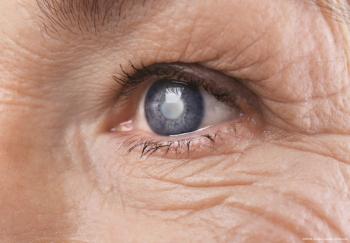
Two randomised controlled trials, EMGT and UKGTS, have examined the factors affecting the risk of glaucoma progression. Global target IOPs are not the best option for all patients.

It is widely accepted that patient selection is the key to success with premium IOLs. However, with care, premium IOLs can be implemented in challenging cases.
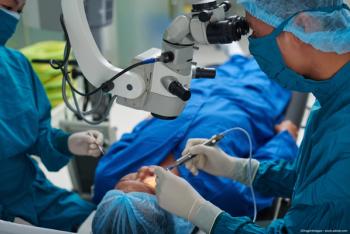
Careful study of ocular anatomy can help surgeons avoid problems related to glaucoma procedures and achieve better results for patients.
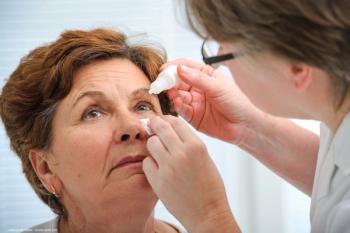
Whilst endophthalmitis following cataract surgery can lead to serious vision outcomes, there are ways of minimising the risk of it occurring whilst also being mindful of the need to prescribe antibiotics in a way that does not worsen antimicrobial resistance.

Investigators are conducting retinal gene therapy trials that offer potential new treatments for inherited causes of vision loss.

Research teams in various countries are pioneering different methods of data processing and deep-learning AI to create new models of care.