Articles by Lynda Charters

Investigators from the New York University Grossman School of Medicine presented data at the ARVO 2022 annual meeting that concluded mapping of the relative cerebrovascular reactivity in the murine brain showed widespread brain changes resulting from the chronic IOP elevation and demonstrates vascular involvement in glaucoma both within and beyond the primary visual pathways.

In a poster presented at the Association for Research in Vision and Ophthalmology’s 2022 annual meeting in Denver, Dr Mamoru Ogawa noted that investigators have found that the choroidal and central corneal thicknesses increased over a very short period of time following intensive outdoor activity.
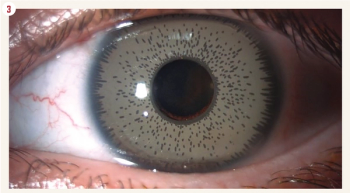
Authors of a retrospective study into complications associated with iris implants advise that the procedure should be considered as malpractice.

In one study of children with solitary unilateral retinoblastoma, the youngest children were found to have the greatest risk for a germline mutation.

Researchers at the University of Southern California have stimulated the retinas of blind mice using focused ultrasound technology.

It is particularly important to identify any signs of meibomian gland disease in patients to prevent gland atrophy and loss of function.
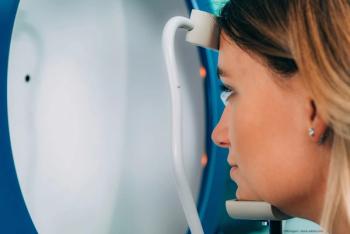
Light-based biometry is especially effective for providing accurate measurements inside the eye and evaluation of the ocular surface.

Options under investigation for the treatment of AMD include interruption of the dry AMD disease process and gene therapy to prompt the retina to heal itself.

A multicentre, retrospective, consecutive international study on infants with ROP who were treated with anti-VEGF injections demonstrated good outcomes and low complication rates.
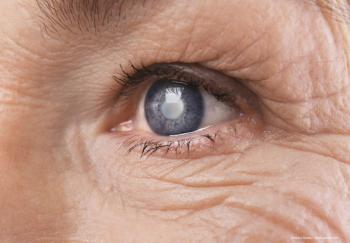
Overall anterior stromal haze was greater at all postoperative time points.

A large retrospective analysis was carried out to investigate various risk factors for endophthalmitis as well as the effect of using a hydrogel sealant.

Lower dose of bevacizumab is as effective as a higher dose for treating retinopathy of prematurity.
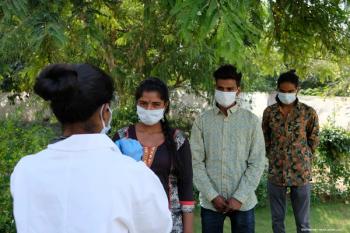
Successful outcomes in rhino-orbital-cerebral mucormycosis depend on awareness of red flag symptoms and signs, prompt diagnosis and early treatment with amphotericin B and surgery as necessary.

Dr Taiichi Hikichi counteracted the potential inflammatory effect of brolucizumab by combining its administration with a sub-Tenon’s capsule injection of triamcinolone acetonide.

Assessing cornea status can aid early recognition of disease-related changes.

Investigators theorize that the ophthalmic nerve may be affected by the COVID-19 virus, and therefore may affect the corneal esthesiometry values.

The drug is prescribed as adjunctive therapy for those with glaucoma.

Researchers believe that the prolonged effect of bimatoprost may result from up-regulation of matrix metalloproteinases, leading to sustained remodelling of the outflow pathways.

Sub-retinal injection of adeno-associated virus leads to visual acuity gains.
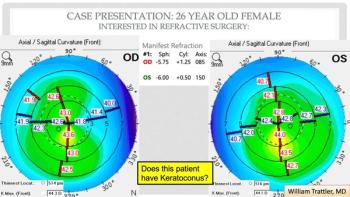
A team of investigators has found that the eye disease is more prevalent than first thought.

Retinal changes seen in suspected transient ischaemic attacks are not helpful for predicting ischaemic events.

According to Dr Claudia Perez-Straziota, persistent epithelial defects do not have to live up to their name—they can be healed.


Utilizing new technology, surgeons can be 20 to 40 times more precise.
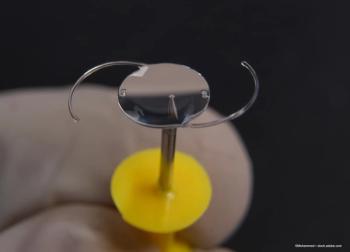
Researchers compared two novel lens designs using data obtained from 19 investigational sites in Australia, Canada, Spain and the UK.

Novel treatment reduces treatment burden and improves outcomes.
Intracanicular insert is the first physician-administered, preservative-free method.

Investigators in the Netherlands have developed an RNA therapy to halt the progression of Stargardt disease.

KALAHARI study finds THR-149 to be safe, well-tolerated with preliminary efficacy as treatment for DMO patients who respond suboptimally to anti-VEGF.

Faricimab is the first bispecific antibody designed for intraocular use that blocks 2 pathways, the angiopoietin-2 (Ang-2) and the vascular endothelial growth factor (VEGF) A pathways.