
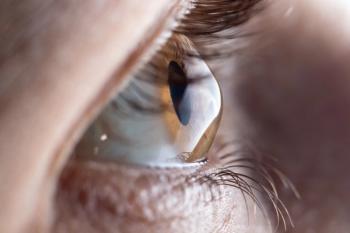
Topography-guided PRK, with or without the addition of corneal crosslinking, can improve visual acuity and quality in patients with keratoconus.
Topography-guided PRK, with or without the addition of corneal crosslinking, can improve visual acuity and quality in patients with keratoconus.

A smartphone direct ophthalmoscope attachment makes it possible to examine the optic nerve and distinguish whether its state of health is normal or abnormal.
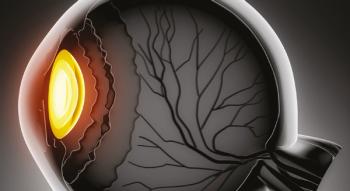
Artificial intelligence and genetic testing are expected to facilitate choosing the best treatment for each unique glaucoma patient within the next decade. This will not only lead to the best outcomes for individuals but will also spare them the costs and side effects of suboptimal treatments.
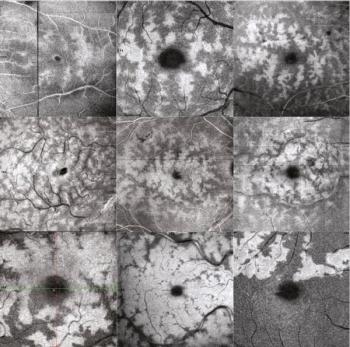
En-face OCT has advantages that make it very useful for characterising macular anatomy and pathologic features of various macular disorders.
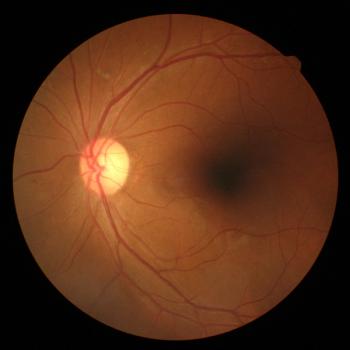
In the DRCR Retina Network Protocol V, which studied management strategies for eyes with centre-involving DMO and good visual acuity, the majority of eyes randomly assigned to initial observation completed the 2-year study without needing anti-VEGF therapy for vision loss and nearly one-third had spontaneous resolution of DMO.

Evidence for a connection between low vitamin D levels and glaucoma is increasing but the link remains speculative and no causal connection has been demonstrated.

Study results, including data from approximately 42,000 eyes, found diabetic retinopathy severity is a risk factor for diabetic eye disease progression. Other findings support the idea that genetic factors may influence the development of proliferative diabetic retinopathy versus diabetic macular oedema.
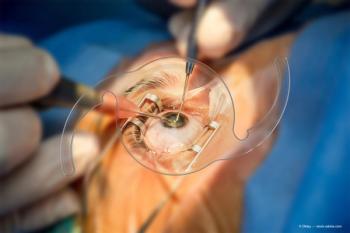
The IC-8 IOL uses the small-aperture concept to extend cataract patients’ depth of focus. Patients report high approval and reduced spectacle dependence.