
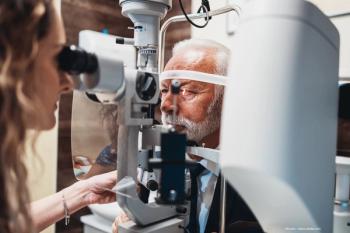
Giving patients access to new treatments and information on changing their lifestyle habits could result in major steps towards minimising or even preventing geographic atrophy.
Giving patients access to new treatments and information on changing their lifestyle habits could result in major steps towards minimising or even preventing geographic atrophy.
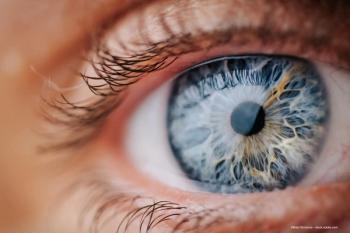
Correcting abnormal tear film osmolarity before cataract surgery enables more accurate measurements to be captured, reducing residual refractive error.

Axial length growth is a sensitive means of assessing myopia progression in children. Drops and special lenses are options for inhibiting excessive axial length growth.

Inflammation is par for the course in ocular gene therapy; preventing it should be the goal because once it develops, treatment can be difficult.
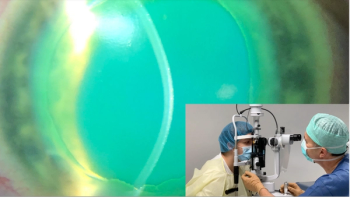
Corneal cross-linking (CXL) is improving all the time, although all protocols retain the basic requirements for oxygen, riboflavin and UV light. Recent developments mean that CXL at the slit lamp is feasible, which will improve access to the procedure.
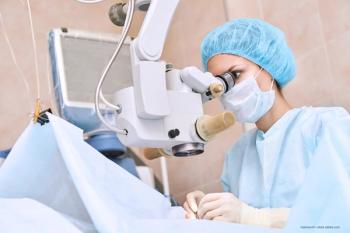
Use of a highly viscous cohesive ophthalmic viscosurgical device (OVD) enables removal of debris without excessive collateral irrigation trauma.
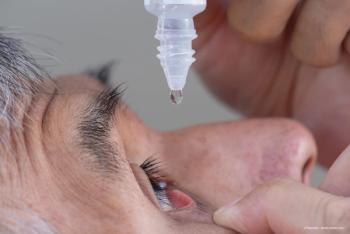
Studies reveal the advantages of numerous new glaucoma treatments that offer a wider range of options for individual patients.
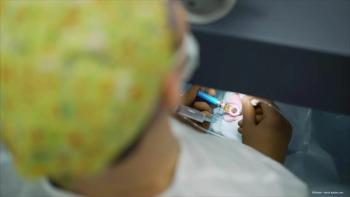
Combining ECP with vitrectomy can reduce medication use following the procedure and in some cases avoid the need for further surgery.
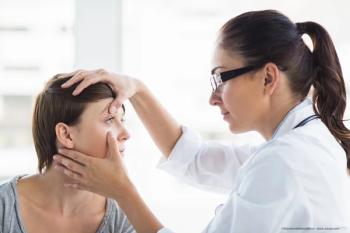
One clinician advises investigating prospective patients for history and evidence suggesting HSV keratitis, and monitoring for post-surgery epithelial defects.

A global survey of retinal experts assessed their perceptions of evolving clinical practice in the Covid-19 era, focusing on digital teleophthalmology, home monitoring and decentralised patient care.
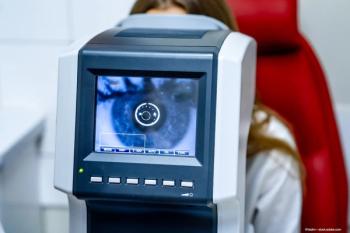
A small study demonstrates that high-resolution imaging with adaptive optics may be a useful method of assessing integrity of the cone mosaic following macular hole repair.
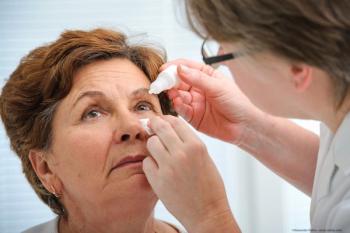
Gentle eye drops, laser or minimally invasive surgery, advising patients on safe viewing of electronic devices, and addressing eyelid disorders can all help to minimise adverse effects.