
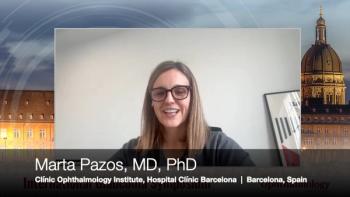
Marta Pazos, MD, PhD, examined the role of optical coherence tomography, artificial intelligence, and clinical evaluation in early glaucoma management.
Sheryl brings a wealth of editorial experience to MJH Life Sciences’ Eye Care Network, having engaged with the readers and the greater ophthalmic community of Ophthalmology Times for more than 20 years. As Group Editorial Director, Sheryl’s purview extends across the print and digital network of Ophthalmology Times, Ophthalmology Times Europe, Modern Retina and Optometry Times. Prior to ophthalmology, Sheryl previously covered the fields of audiology and confectionery science/technology/manufacturing.
Sheryl is also passionate about the mission, vision and values of Ophthalmic World Leaders (OWL) and recently completed her term on its Board of Directors. She continues to volunteer as Editor-in-Chief of the organization’s EMPOWER Magazine. In 2013, she was honored with the group’s inaugural Rising Star Award.
In addition, she has served as a judge for Crain's Cleveland Business Health Care Heroes Awards program as well as the Jesse H. Neal National Business Journalism Awards.
Marta Pazos, MD, PhD, examined the role of optical coherence tomography, artificial intelligence, and clinical evaluation in early glaucoma management.
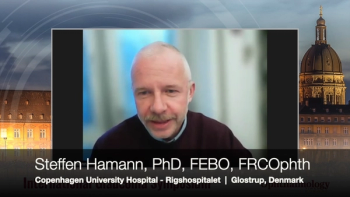
Steffen Hamann, PhD, FEBO, FRCOphth, discusses how optic disc drusen can mimic glaucoma and discussed evolving imaging and research strategies.
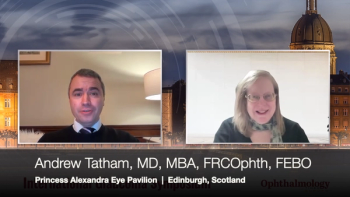
Andrew Tatham, MD, MBA, FRCOphth, FEBO, outlines the role of micro-invasive glaucoma surgery alongside established glaucoma procedures, focusing on safety, patient selection, and future directions.

AI is reshaping clinical practice in retinal imaging and workflow optimization, according to Priv.-Doz. Dr. med. Jan H. Terheyden, FEBO.

Prof. Dr. Luís Abegão Pinto outlines how real-world datasets can improve artificial intelligence accuracy, reduce bias, and support clinical decision-making at scale.
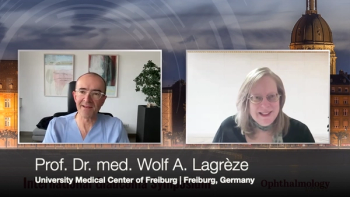
Prof. Dr. med. Wolf A. Lagrèze highlights the clinical role, limitations, and future potential of optical coherence tomography in glaucoma and neuro-ophthalmic disease.

Ahead of the 2nd International Glaucoma Symposium in Mainz, Germany, Stephan Schulz of Heidelberg Engineering outlines how the program blends everyday clinical challenges with advances in AI, imaging, and surgery.

US and international glaucoma specialists will converge in Mainz, Germany, on 31 January 2026, to map the next era of glaucoma care—covering AI diagnostics, optic neuropathy evaluation, and modern surgical approaches.

The letter noted the FDA is unable to approve the application for ONS-5010/LYTENAVA (bevacizumab-vikg) in its current form for the treatment of wet AMD, according to the company.
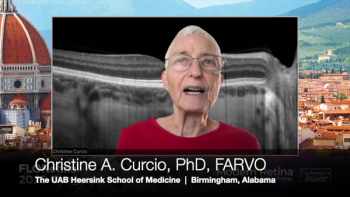
Dr. Curcio highlights volume electron microscopy evidence from a preterm-born adult retina reveals unexpected Müller glial diversity and implications for foveal development.

Dr. Quan Dong Nguyen presents interim data from the phase 3 DRAGON study on a potential first therapy for adolescent Stargardt disease.
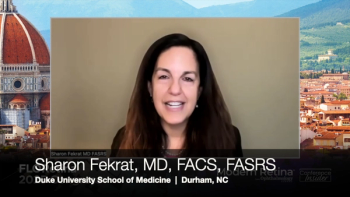
Dr. Sharon Fekrat presented a retrospective analysis assessing how antiplatelet and anticoagulant therapy relates to hemorrhage characteristics and outcomes.
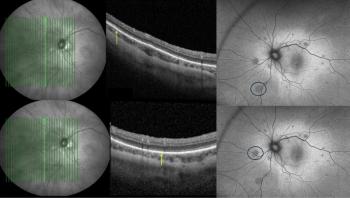
Priyanka Sanghi, BSc, MSc, MBBS, highlights how fundus autofluorescence and optical coherence tomography may help uncover long-term retinal footprints invisible to standard examination.

Prof Dr Rajvardhan Azad explains how unified guidelines, AI-driven tools, and cross-disciplinary collaboration could transform outcomes for premature infants.

Dr. J. Peter Campbell discusses the technologies shaping retinopathy of prematurity detection, clinical integration, and global implementation.
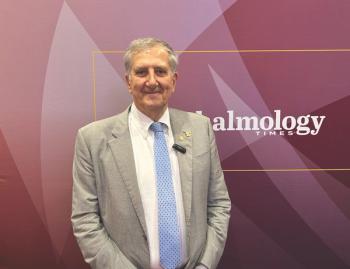
Phakic IOLs deliver a “wow” factor to refractive surgery patients, says Matteo Piovella, MD
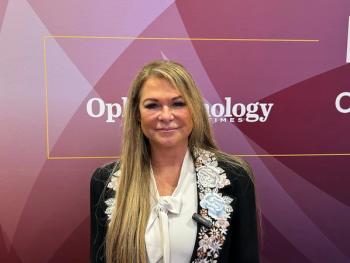
AnnMarie Hipsley, DPT, PhD, explores innovative approaches in ocular biomechanics, shifting focus from lenses to holistic treatments for presbyopia, enhancing vision care.
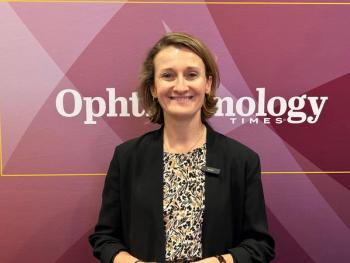
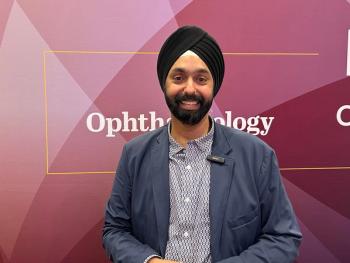
Inder Paul Singh, MD, discusses groundbreaking findings on the iDose implant's efficacy and safety in glaucoma management during cataract surgery.
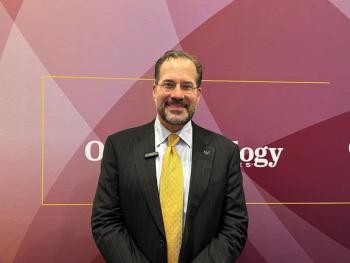
David A. Eichenbaum, MD, FASRS, discusses findings on UBX-1325 for diabetic macular edema, highlighting a shift towards personalized, multi-mechanism therapies.
Kenneth C. Fan, MD, discusses promising visual improvements from MCO-010 therapy for Stargardt disease at AAO 2025, highlighting future treatment potential.

Stephen Tsang, MD, PhD, reviews promising optogenetic therapy results for retinitis pigmentosa and Stargardt disease, enhancing vision and mobility for patients.

James Chelnis explores innovative energy-based technologies in aesthetic facial surgery, emphasizing safety, personalized treatments, and future advancements in patient care.
The professor from Wills Eye Hospital in Philadelphia, Pennsylvania, explained why it's time to retire the term "sterile" when addressing culture-negative endophthalmitis
Anat Loewenstein, MD, shared recent research findings which indicate home monitoring is appropriate for atypical and complex pathologies
While the FDA requests additional evidence of efficacy for the low-dose atropine eye drop in the US, the formulation has already gained European Commission approval as Ryjunea for slowing paediatric myopia progression.
Joel Schuman, MD, explore the latest advancements in glaucoma laser treatments, including innovative techniques like DSLT and the benefits of selective laser trabeculoplasty
Published: November 10th 2025 | Updated:
Published: October 19th 2025 | Updated:
Published: October 21st 2024 | Updated:
Published: October 17th 2025 | Updated:
Published: October 21st 2024 | Updated:
Published: October 18th 2025 | Updated: